
Tend What You Want to Grow
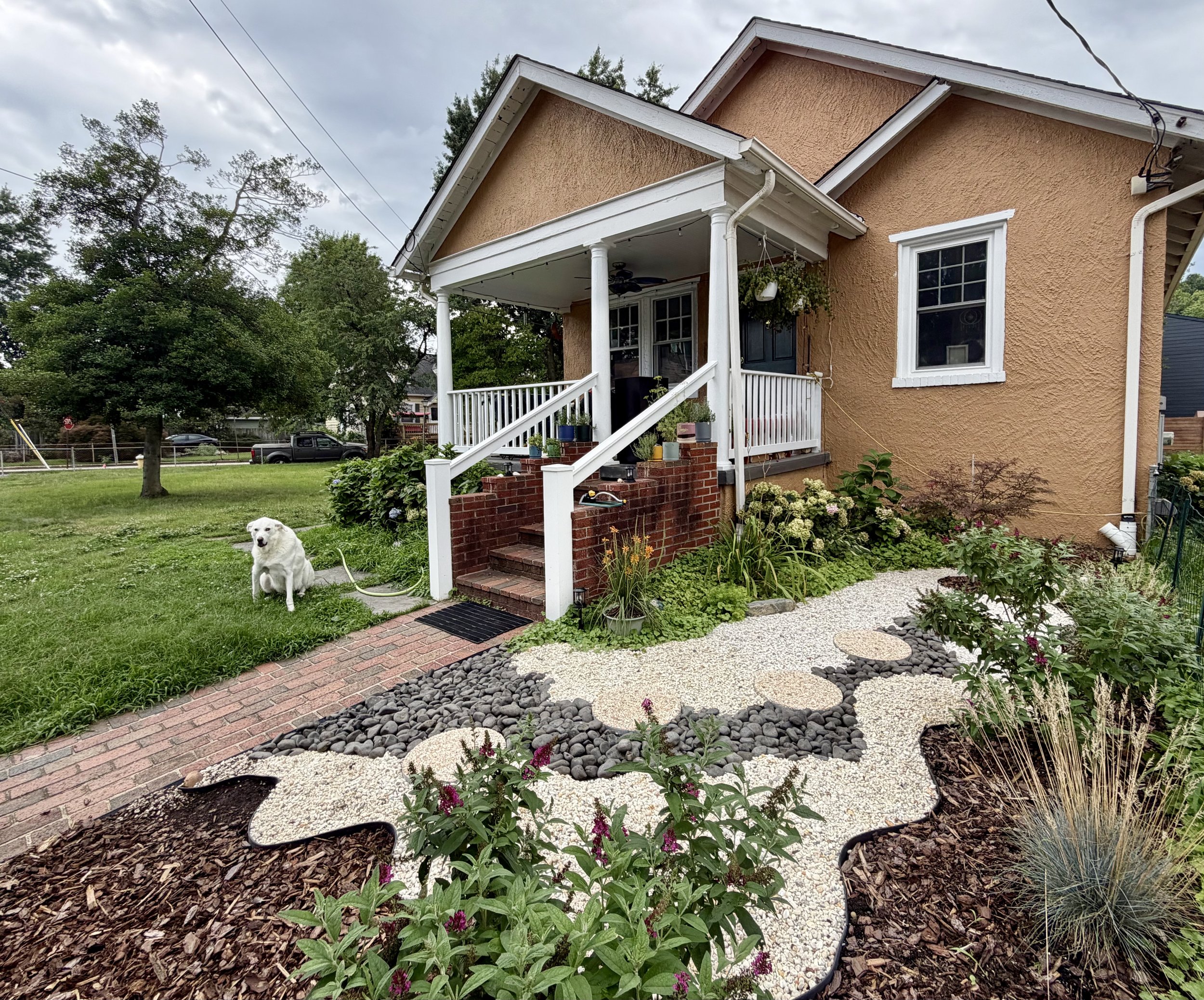
This past weekend, for the first time since planting it, I spent an hour tending my Japanese garden. Between the summer heat and generous rain, everything had flourished—including the weeds.
As I began the quiet work of pulling them, I was reminded that a garden does not become beautiful by accident. What flourishes is usually what receives our time, attention, water, and care.
The same is true of our lives.
What receives our consistent attention grows. What we neglect slowly fades. And what we ignore altogether often takes root beneath the surface in ways that are anything but healthy.
Setting Boundaries, Exercising Agency, and Choosing What Deserves Our Attention
Time is finite. No matter how hard we try, we cannot squeeze more than twenty-four hours into a day.
Our energy is renewable, but only when we care for ourselves. Sleep, movement, nourishing food, rest, meaningful connection, and preventative healthcare are not luxuries—they are the very things that replenish our capacity to live well. As we age, protecting that energy becomes even more important.
How we care for ourselves determines how we show up for the people and purposes we love most.
Most of us can easily name what matters: our family, friends, pets, health, creativity, meaningful work, and passions.
But if we're honest, what actually receives our attention often tells a different story.
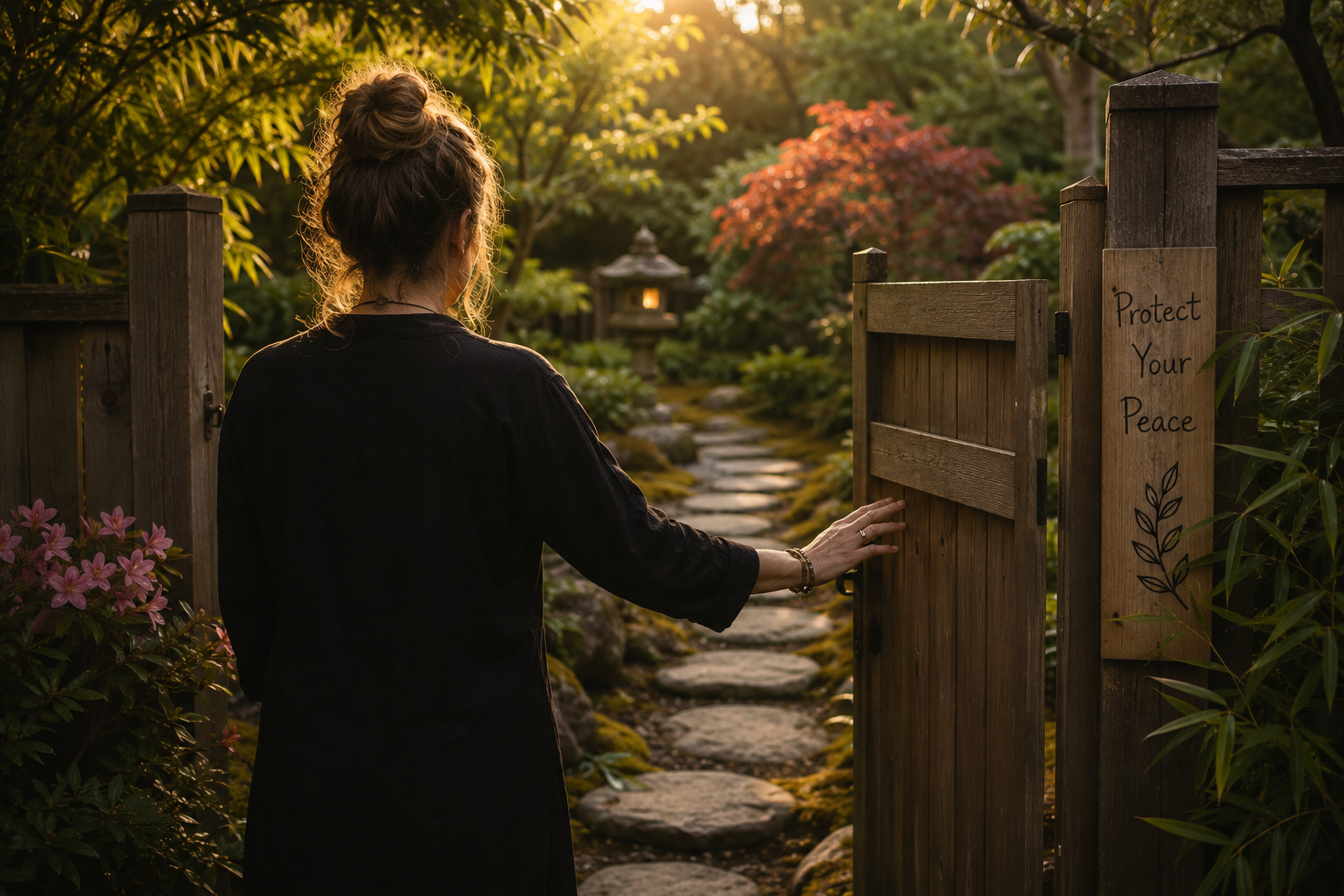
Healthy boundaries are the quiet gates that protect what matters most.
Many of us give our best hours to work while everyone—and everything—else receives whatever remains. We eat on the run, work through lunch, postpone doctor's appointments, and convince ourselves that chiropractic care, massage therapy, or other forms of preventative care are indulgences instead of investments in our long-term wellbeing.
Changing that begins with three simple practices.
First, we learn to set boundaries. Boundaries are like invisible garden fences. Without them, everything wanders in. Not everyone will appreciate your new boundaries, especially if they once benefited from your lack of them. But healthy people learn to respect them.
Second, we exercise agency. We become comfortable saying yes and no because they reflect our values—not someone else's expectations. While we may not always be able to tell our boss "no," we can learn to advocate for ourselves with honesty, diplomacy, and courage.
Finally, we become intentional about what deserves our attention.
Attention is a form of cultivation. Every day we are growing something. We can cultivate health or exhaustion. Peace or resentment. Creativity or distraction. Confidence or fear. Our lives eventually reveal where our energy has been going, whether we intended it or not.
This isn't about blame. It's about becoming more deliberate gardeners of our own lives.
Practice: Choose What to Tend
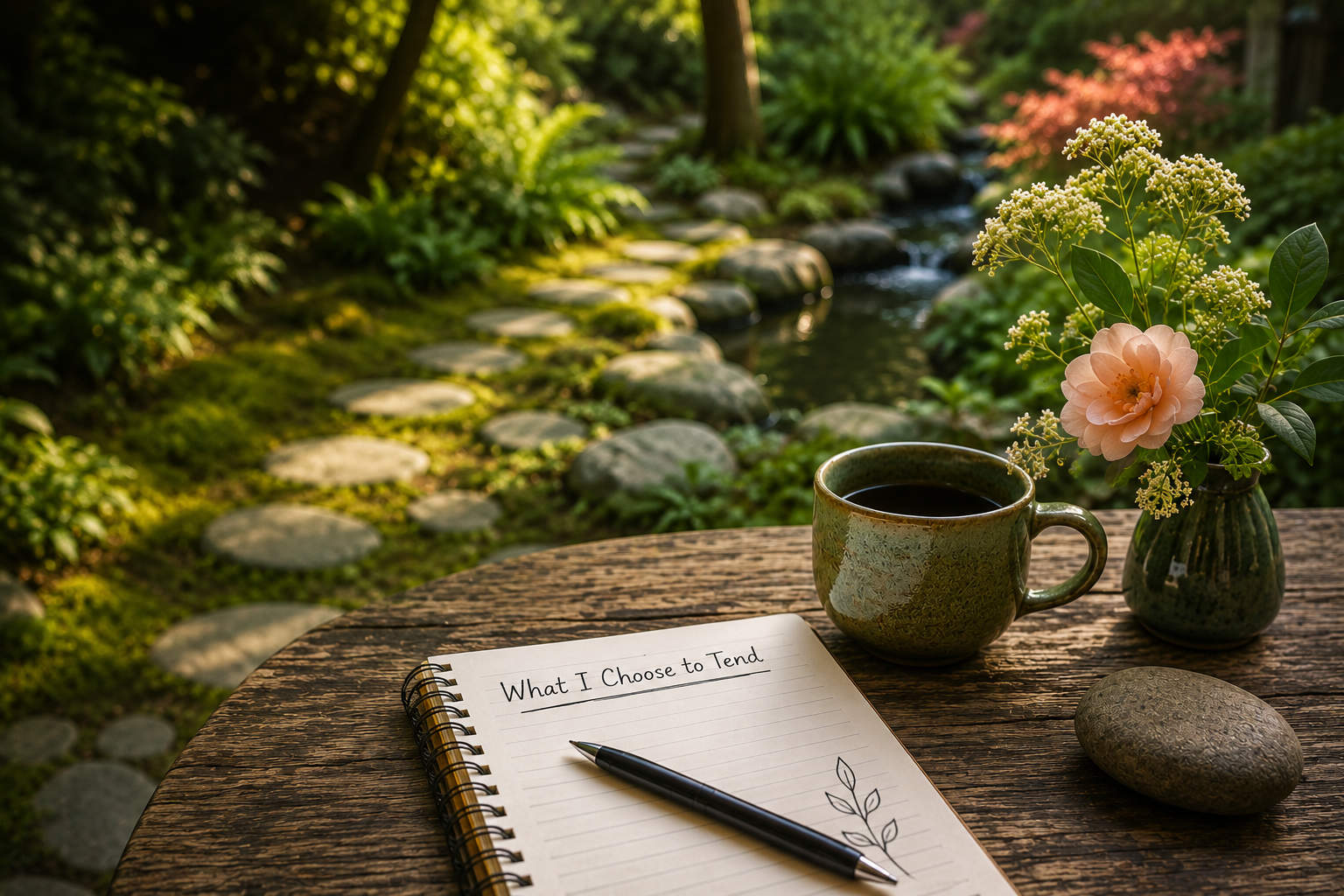
Journal or meditate on this question: What am I willing to tend consistently, even before I see results?
Today, choose one area of your life that you want to nurture this week. Then choose one small act of care.
Call someone you love.
Return to a creative project.
Take a daily walk.
Prepare a nourishing meal.
Spend ten quiet minutes outside.
Protect time for rest.
Carrying the Light Forward
Our gardens remind us that growth is rarely dramatic. It happens quietly through countless small acts of care repeated over time.
Our lives are no different.
The future we hope for doesn't simply appear one day. We plant it. We water it. We protect it. We remove what no longer belongs. And we return again tomorrow to do the same.
May you tend your own life with patience, intention, and love, trusting that what you faithfully nourish today will one day bloom into something beautiful.