
EARTH: The Land Knows You’re There
Relationship: The Things We Belong To
I’ve been thinking a lot lately about relationships. Not only who we are in relationship with, but the things we belong to—the relationships that go deep, like tree roots, past the surface and down into something older and less visible. We tend to think of relationship as something that happens between people, but I’m not sure it stops there. We are in relationship with places, animals, trees, weather, water, the ground beneath our feet, perhaps even those who walked the Earth before us.
So much of what connects us cannot be seen. But when we learn to perceive beyond sight—to listen, feel, notice, remember—there can be an astonishing amount to know. So this week, I want to explore relationship beyond the obvious: our relationship with Earth, with ourselves, with others, and with Spirit. The things we love, the things we tend, and the things we belong to.
EARTH: The Land Knows You’re There
One of the most potent memories I have from childhood is the moment I understood that I was connected to every living being on Earth. I don’t remember anyone teaching me this. I simply knew it. I understood the Earth as a living thing rather than something we owned. I belonged to her. She did not belong to me.
I also understood that the relationship could never really be equal. I would always need more from the Earth than she would ever need from me, so I decided I should try to take as little as possible and give something back. The problem was, as a child, I had absolutely no idea how to give back to the Earth. So I settled on: Take less now. Figure out the rest later.
In many ways, I’ve been figuring out the rest ever since. That early knowing influenced my decision to become a vegetarian at fifteen. It shaped my desire to live with less, consume mindfully, and pay attention to the impact of my choices. It became one of the quiet guiding principles of my life—not that I’ve always listened. I’ve made plenty of decisions that went directly against my intuition and then had the pleasure of experiencing the downstream consequences, those charming little life lessons that eventually say, Perhaps next time you might consider trusting yourself.
The Places That Call Us
I’ve also spent much of my life feeling inexplicably drawn toward certain places: Oregon. Scotland. Wales. Ireland. England. Parts of Spain. Basically, apparently, anywhere it rains a lot.
For years, I simply accepted the pull. It wasn’t until my forties, after doing a DNA test and exploring my family history, that I began wondering whether some of my attraction to place might somehow be tangled up with ancestry. I don’t know. And I rather like not knowing. There are things I am comfortable leaving in the realm of mystery.
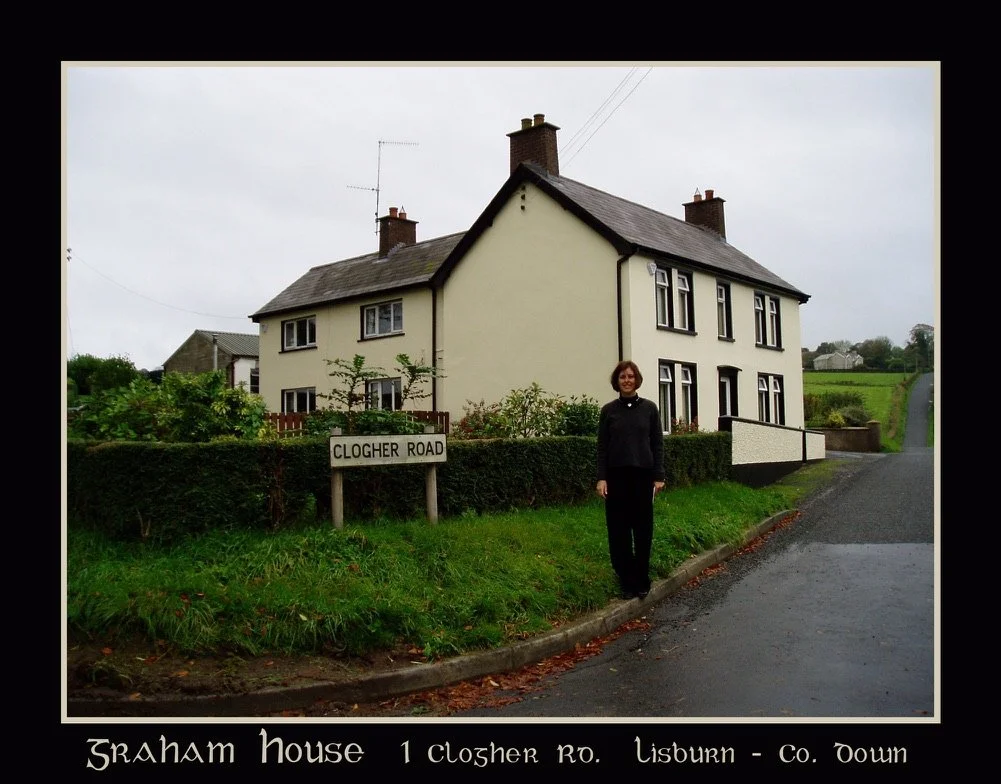
What I do know is that I’ve spent much of my life searching for a place where I feel that deep recognition. I’ve lived in ten states looking for it, and I’ve come close a few times: at the base of Oregon’s Cascade Mountains, walking through Rabanal and Galicia on the Camino de Santiago, and standing in Lisburn, Northern Ireland, where my grandfather came from. In those places, it was more than simply thinking, This is beautiful. It felt like recognition. I know this. Or perhaps, This knows me.
When Nature Stops Being Scenery
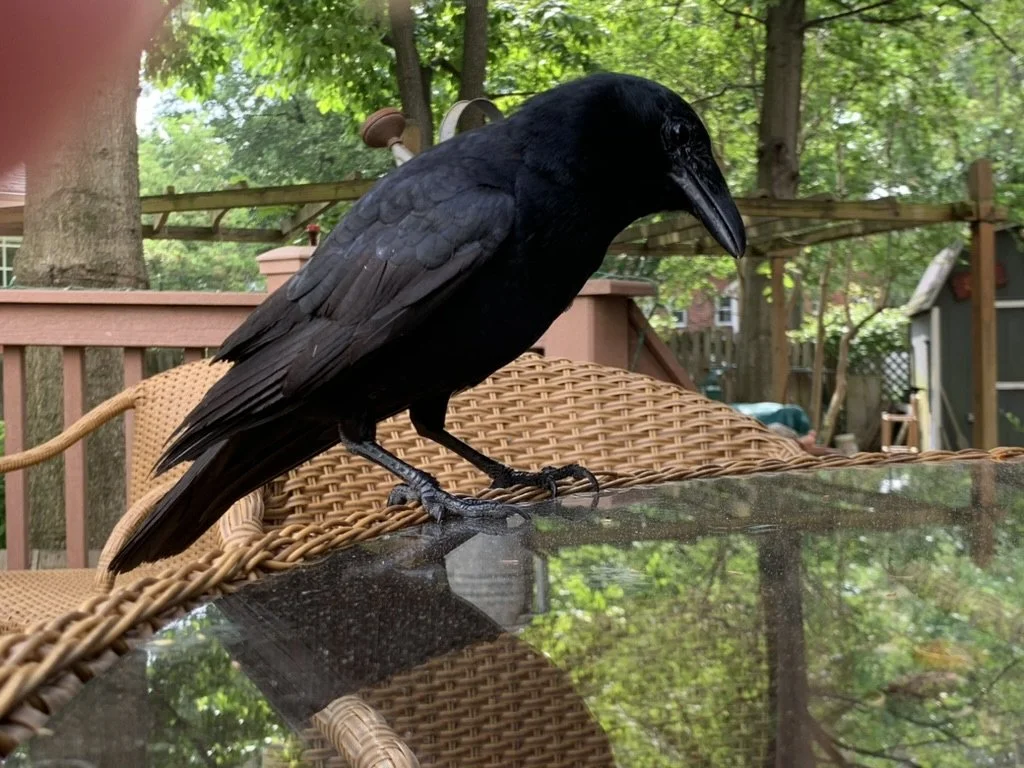
Maybe belonging to a place isn’t only about geography. Maybe it begins with attention. Every spring, I seem to develop a relationship with at least one crow. I notice them. They notice me. Over time, we learn each other’s rhythms. There is recognition, communication, and eventually a kind of trust.
Science doesn’t require us to abandon the poetry of that experience. Research on nature connectedness suggests that our sense of relationship with the natural world matters. Greater nature connectedness is associated with psychological wellbeing, while time spent attending to natural environments can support stress recovery and restore depleted attention. And connection doesn’t require wilderness. It can begin with a tree you pass every morning, birds nesting outside your window, a creek changing with the seasons, or the first mushrooms appearing after rain.
Attention changes relationship. Something stops being a tree and becomes that tree. A crow becomes that crow. A patch of earth becomes this place. Perhaps our ancestors understood something we have slowly trained ourselves to forget: belonging isn’t merely a matter of ownership or address. It is a relationship built through attention, familiarity, and reciprocity.
Practice: Get to Know Someone
Choose one living thing near your home—a tree, creek, patch of woods, garden, bird family, even one stubborn plant growing through a crack in the sidewalk. Visit regularly. Learn its name if you can. Notice what lives around it and what changes after rain, during heat, as the light shifts, and as the season begins to turn.
Don’t ask anything of it. Just pay attention.
This isn’t a practice of going outside. It’s a practice of getting to know someone.
Take This With You
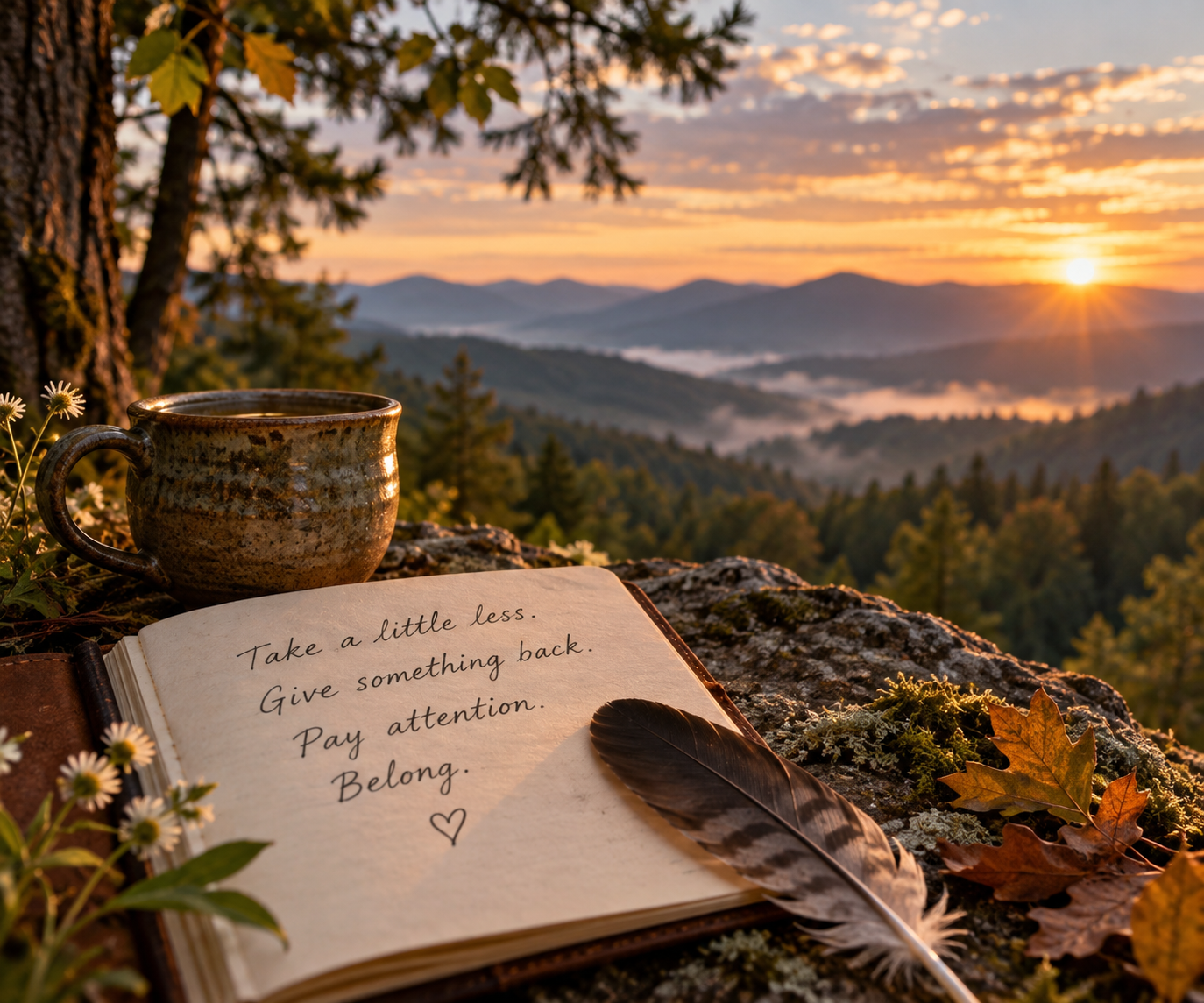
We spend much of our lives asking where we belong. Perhaps belonging isn’t always something we find. Perhaps it is something we practice.
We return. We pay attention. We learn the names of the beings around us. We take a little less. We give something back. We allow ourselves to become familiar with a place—and allow that place to become familiar with us.
There is a world beneath the world we rush through every day. You don’t have to see all of it to be in relationship with it. You only have to begin noticing.