
Gathering Summer's Gifts
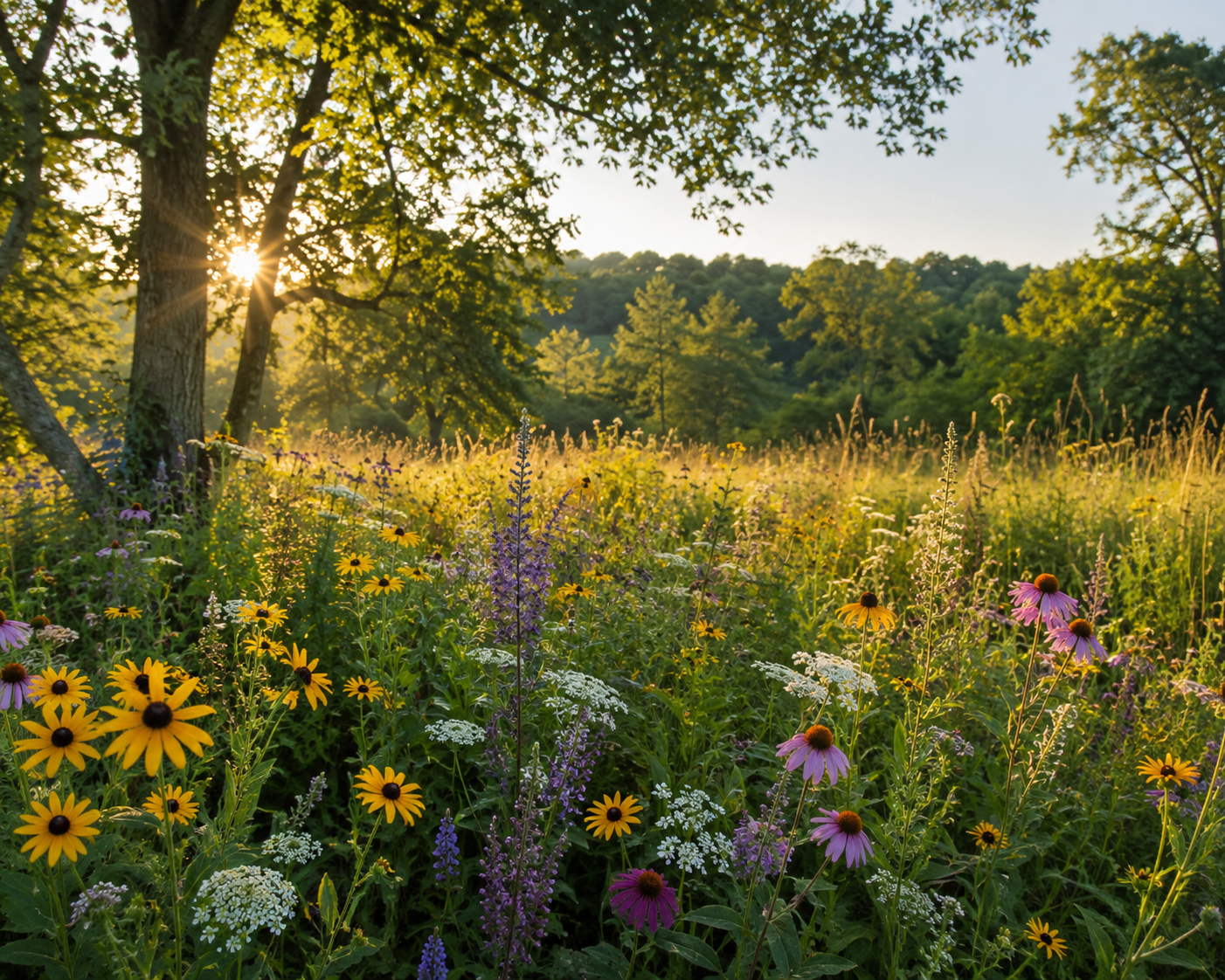
Summer is a season of abundance. Gardens overflow. Wildflowers bloom along roadsides. Trees stretch toward the sky, heavy with leaves and, soon enough, fruit. The earth seems to offer gifts at every turn.
Yet nature teaches us something important about abundance. Abundance is not accumulation. The forest does not hoard its acorns. The apple tree does not cling to its fruit. Rivers do not keep their water. Nature's abundance exists in movement, exchange, and generosity.
When we pause to notice the season, we begin to see that we are surrounded by gifts already present: sunlight warming our skin, birdsong greeting the morning, nourishing food growing from the soil, laughter shared with friends on long summer evenings.
The invitation of summer is not simply to gather more, but to recognize what is already here.
Relationship vs. Consumption
Modern life often encourages us to move through the world as consumers. We consume information, experiences, products, entertainment, and even nature itself. We visit beautiful places, snap photographs, and move on to the next thing.
Nature offers a different model.
When we develop a relationship with the natural world, we begin to move beyond consumption and into connection. We learn the names of the birds that visit our yard. We notice when the blackberries ripen. We recognize the same oak tree through the changing seasons.
Relationship asks something of us. It requires attention, presence, and reciprocity.
Indigenous cultures around the world have long understood this principle. The earth is not simply a resource to be used but a living community of which we are a part. In a healthy relationship, there is both receiving and giving.
Perhaps this is why tending a garden, planting a tree, leaving water for wildlife, or simply caring for a place can feel so meaningful. These small acts remind us that we belong to the web of life rather than standing apart from it.
The more we cultivate relationship, the less we feel the need to consume.
Receiving with Gratitude
For many of us, receiving is more difficult than giving.
We are often taught to be self-sufficient, productive, and independent. We may feel uncomfortable accepting help, compliments, kindness, or support. Sometimes receiving can even bring up feelings of unworthiness.
Yet every day we are already receiving countless gifts.
We receive the air we breathe. We receive sunlight, rain, food, friendship, beauty, and inspiration. We receive wisdom from those who came before us. We receive countless acts of care from both people and the natural world.
Gratitude begins when we notice.
Receiving with gratitude is not passive. It is an active practice of acknowledging what has been given and allowing ourselves to be nourished by it.
When we receive fully, we are often moved naturally toward generosity. Gratitude becomes a cycle rather than a destination. We receive, we appreciate, and in time we give back.
Practice Ritual: Creating a Seasonal Altar
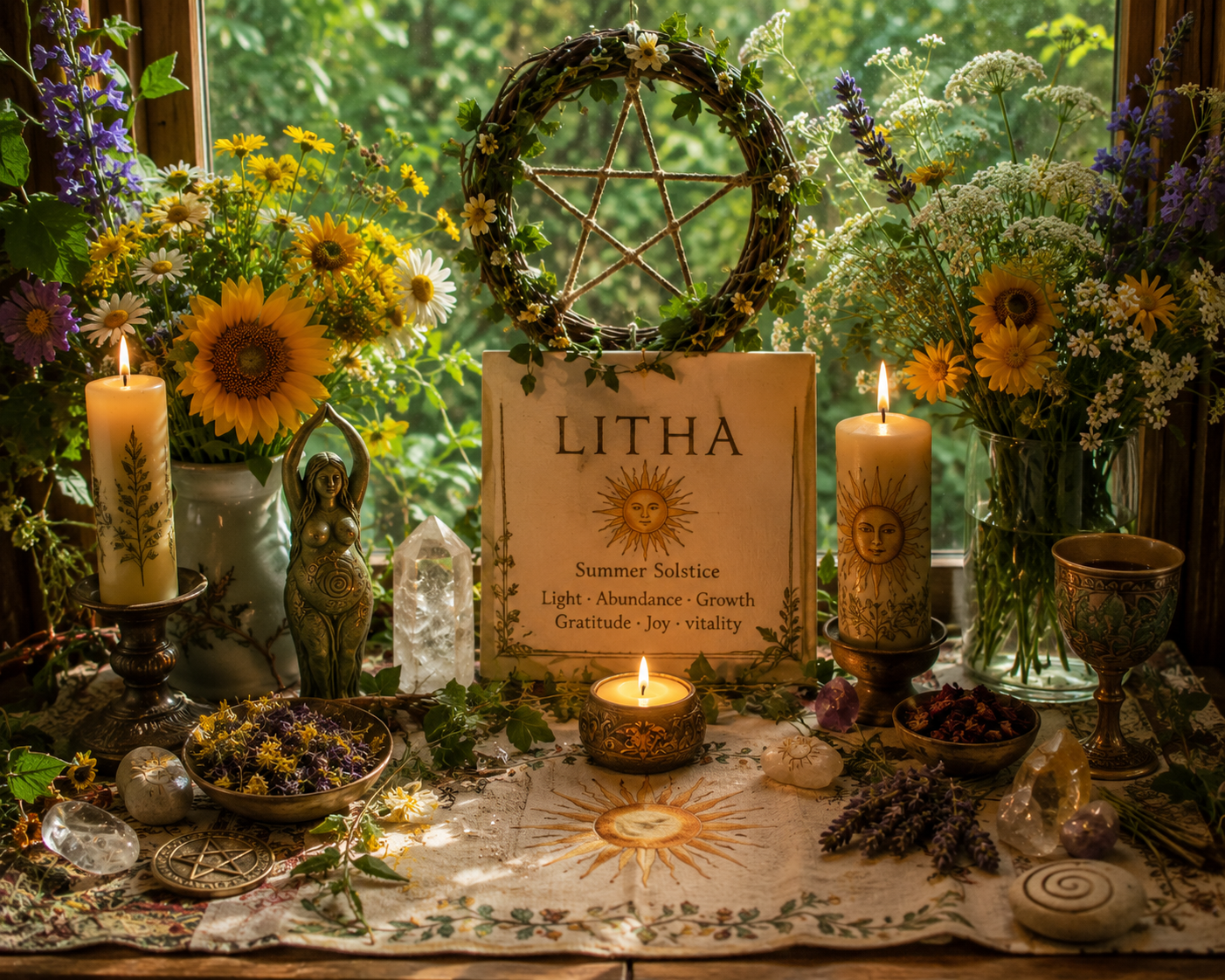
Throughout history, people have created altars as places of remembrance, devotion, prayer, gratitude, and connection. An altar is simply a space that reminds us of what is sacred.
Many traditions use altars. A church sanctuary is a form of altar. A family memorial table can be an altar. Even a Christmas nativity scene serves as a seasonal altar, inviting reflection on a particular story, season, and set of values.
A seasonal altar can be created almost anywhere. A corner of a desk, a bookshelf, a windowsill, a garden bench, or a small table can become a sacred space. If you travel often, a portable altar can be assembled in a small basket, tin, pouch, or box and brought wherever you go.
For those who find divinity in nature, a seasonal altar can honor the living earth itself. Others may choose to dedicate their altar to a particular deity, ancestor, guide, or spiritual tradition. Some may invoke gods and goddesses associated with the season, creativity, abundance, protection, wisdom, or transformation.
There is no right way to create an altar. The intention matters far more than the objects.
Gather:
Flowers
Stones
Feathers
Herbs
Natural objects found respectfully
Arrange them in a way that feels meaningful. Allow the altar to become a visual expression of your gratitude for the season and your relationship with the world around you.
Spend a few moments each day sitting quietly before it. Notice what shifts when you make space to honor beauty, abundance, and connection.
Reflections
What gifts has this season offered?
What beauty surrounds you right now?
How might you express gratitude for what you have received?