
Greeting the Sun
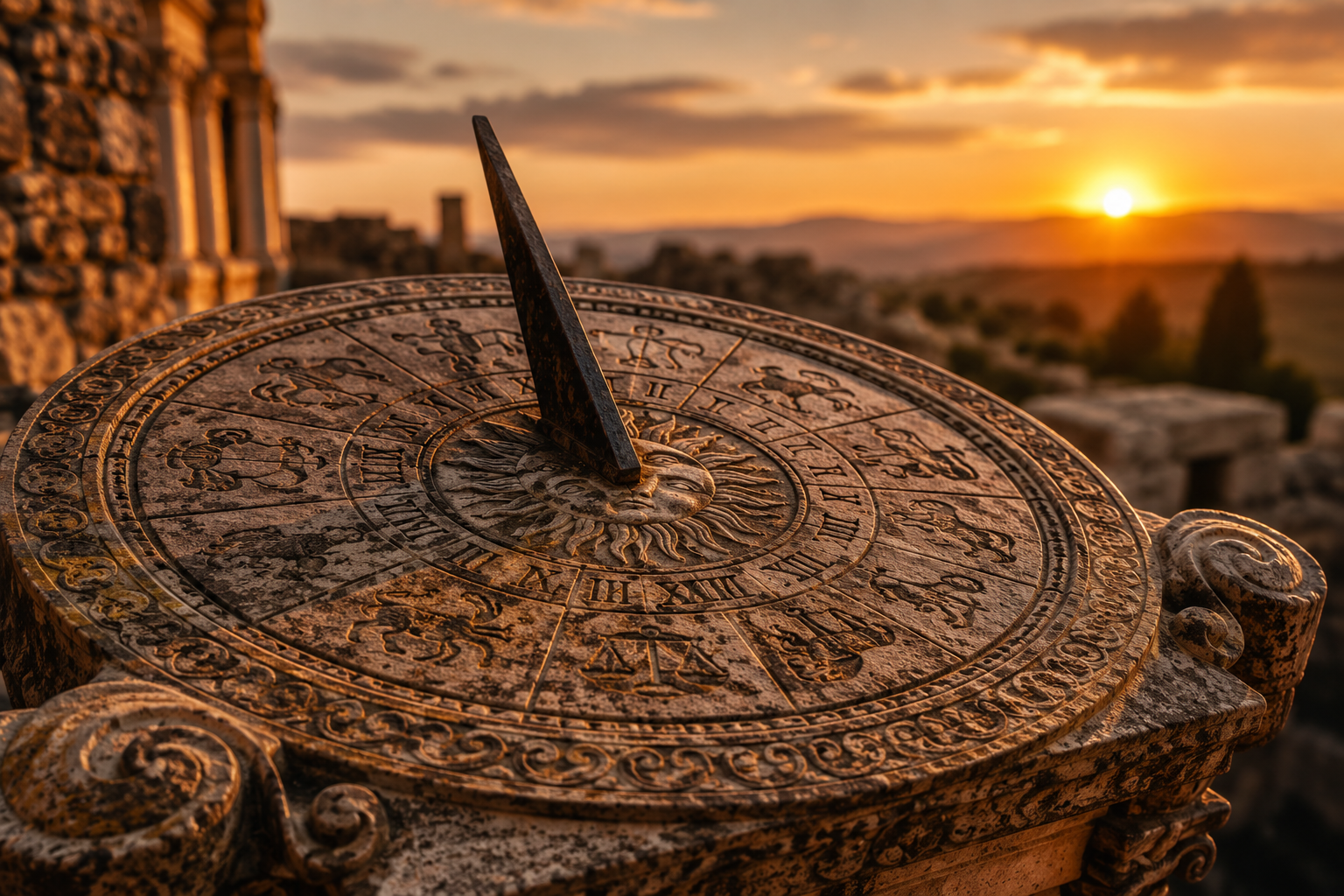
There is something deeply comforting about the sun.
Every morning it rises. Every evening it sets. Long before clocks, calendars, and smartphones, humanity measured life by its movement across the sky. The sun marked the seasons, guided planting and harvest, and reminded us that life unfolds in cycles.
As we settle into the heart of summer, perhaps this is an invitation to renew our relationship with the great star that makes all life on Earth possible.
The Life-Giving Nature of the Sun
The sun warms our skin, nourishes plants, influences weather patterns, and provides the energy that sustains nearly every living thing on the planet.
We often think of sunlight as something we experience, but in many ways, it is something we participate in. Every flower opening toward the morning light, every bird greeting the dawn, every tree stretching its leaves skyward is responding to the same source of life.
We are no different.
Though modern life often pulls us indoors, our bodies still remember that we are creatures of sunlight and season.
Circadian Rhythms: Remembering Nature's Clock
Each of us carries an internal clock known as a circadian rhythm. These roughly 24-hour cycles influence sleep, energy, hormone production, digestion, mood, and even mental clarity.
Sunlight is one of the primary signals that helps regulate these rhythms. Morning light tells the body it is time to wake. Evening darkness signals that it is time to rest.
Many of us spend our days beneath artificial lighting and our evenings illuminated by screens, making it easy to lose touch with these natural cues. One of the simplest ways to restore balance is to spend time outdoors in the morning and to gradually dim lights as evening approaches.
Rather than forcing ourselves to fit an ideal schedule, we can begin to notice our own rhythms.
When do we naturally feel energized?
When do we feel ready for rest?
What changes when we spend more time in natural light?
Ancient Solar Traditions
Throughout history, cultures around the world have honored the sun as a symbol of life, vitality, and renewal.
In ancient Egypt, the sun god Ra traveled across the sky each day and through the underworld each night, embodying the eternal cycle of death and rebirth.
Many Indigenous cultures have long held ceremonies that honor the sun as a sacred life-giving force and a source of spiritual connection.
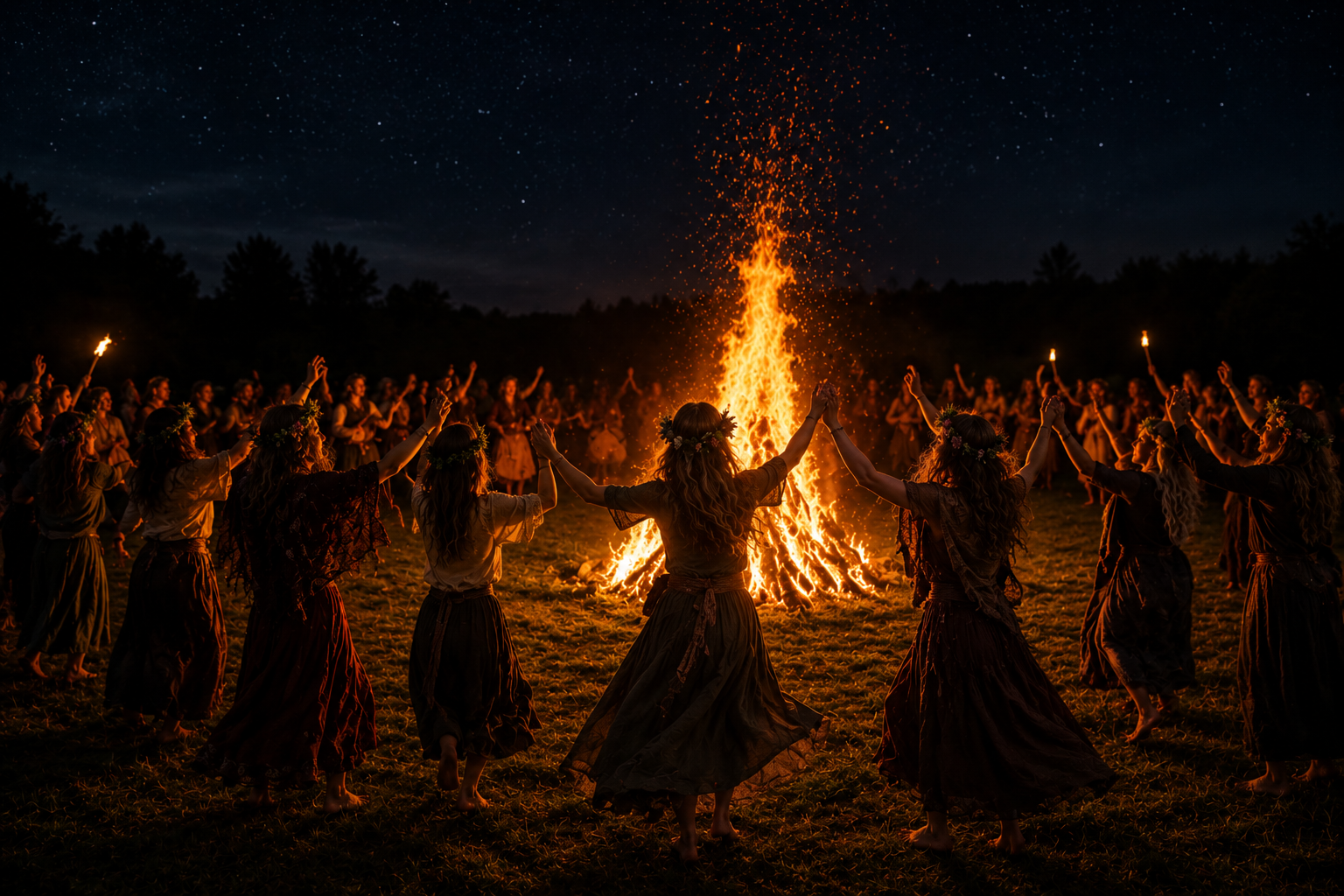
Across Europe, midsummer celebrations welcomed the sun's peak with bonfires, dancing, music, and community gatherings. These festivals celebrated abundance, fertility, and the blessings of the growing season.
Though the traditions differ, they share a common understanding: life is sustained through our relationship with the natural world.
Developing Intimacy with the Natural World
One of the great gifts of paying attention is that the world begins to feel alive again.
The sunrise is no longer simply a time of day. The evening sky becomes more than a backdrop. The movement of light through the trees, the warmth of a stone holding the day's heat, the lengthening shadows at dusk—these become small moments of relationship.
When we slow down enough to notice, we discover that nature is not something separate from us.
We belong to it.
And perhaps that sense of belonging is one of the things many of us are seeking.
Practice Ritual: Sunrise or Sunset Witnessing
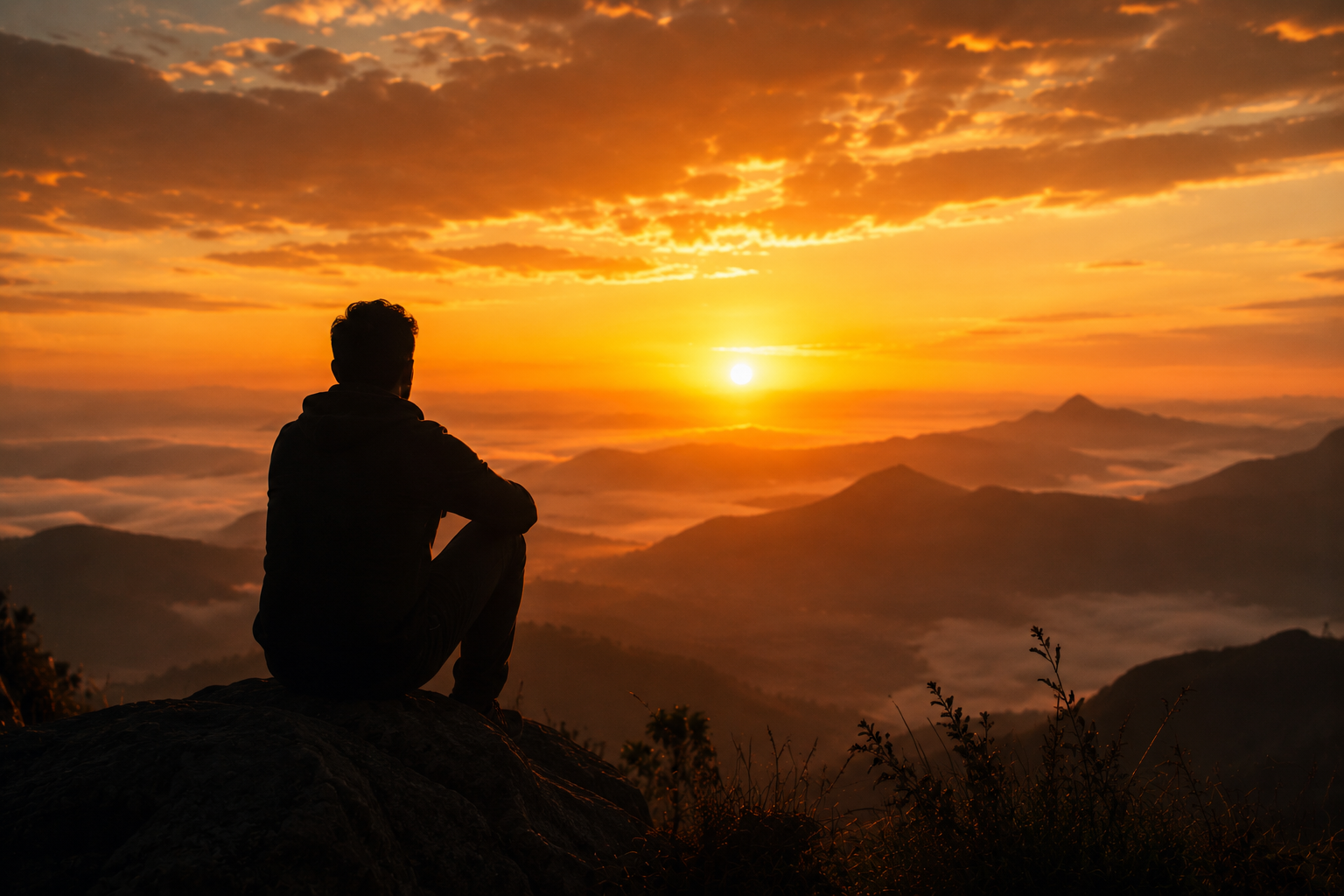
Choose a sunrise or sunset this week and devote fifteen minutes to simply witnessing it.
Leave your phone behind.
Resist the urge to photograph, document, or multitask.
Simply watch.
Notice the colors, the changing light, the sounds around you, and the way your body feels in the moment.
Optional additions:
• Prepare a cup of tea and sip slowly.
• Journal afterward.
• Take a mindful walk before or after your observation.
Reflections
What do you notice when you stop trying to be productive?
What beauty have you overlooked?
How does your body respond to natural light?
What might change if you spent more time in relationship with the rhythms of the natural world?