
How I Escaped Burnout
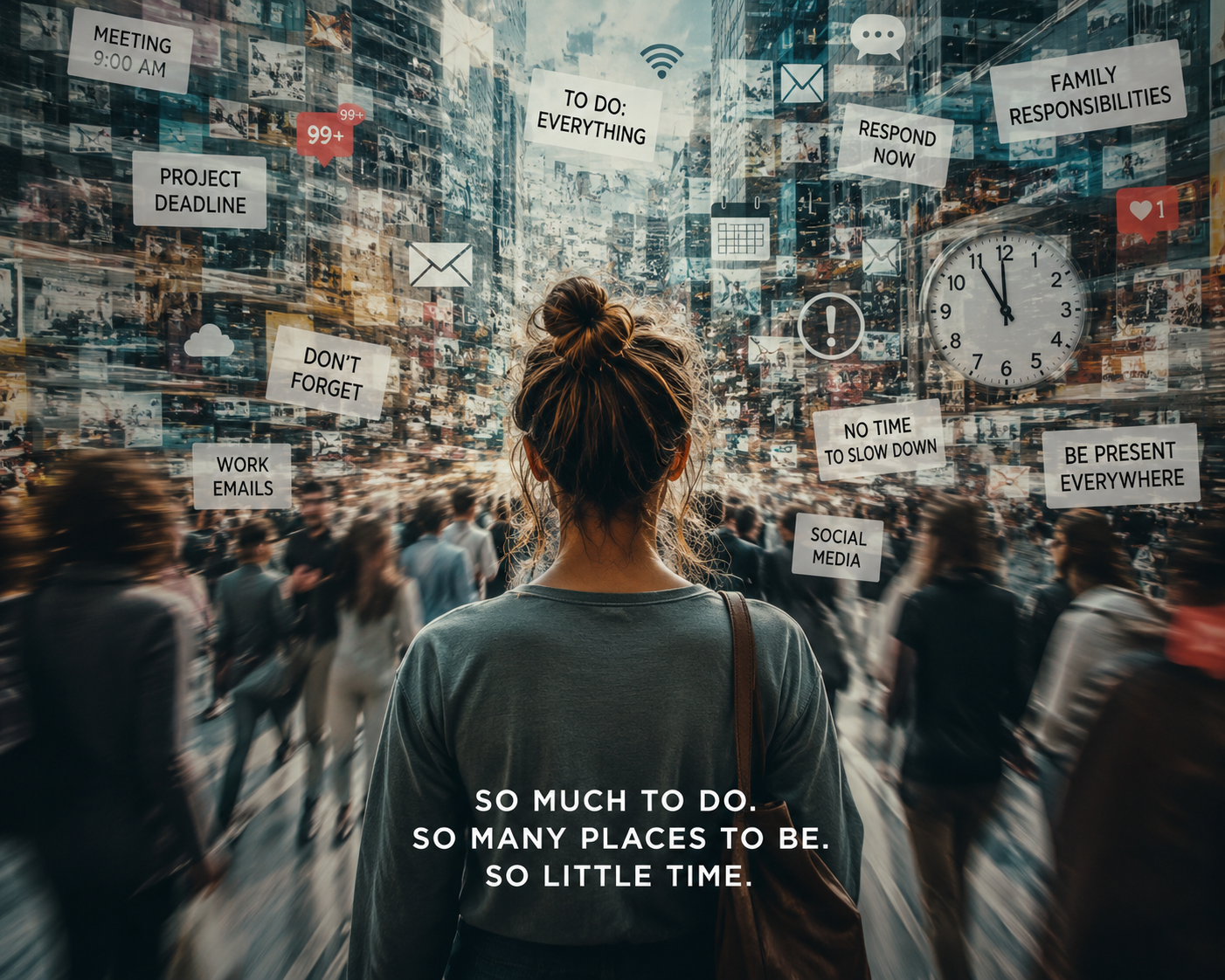
Modern life has convinced us that exhaustion is normal, urgency is virtue, and our worth is measured by how much we can endure.
Does it feel like life is moving faster than ever before?
It does to me.
And perhaps it’s not just because the universe itself is expanding at an accelerating rate that even scientists struggle to fully explain. Modern life seems to be accelerating too — technologically, socially, psychologically. We are exposed to more information, more stimulation, more demands, and more pressure than at any other point in human history. The result, for many people, is chronic stress, anxiety, exhaustion, disconnection, and burnout.
I know this because I lived it.
Twice during my thirty-year career, I experienced profound burnout — the kind that doesn’t simply require a long weekend or a vacation, but deep recovery on every level: physical, emotional, mental, and spiritual.
The first time happened in my early forties.
I found myself struggling just to get out of bed each morning. It took nearly all of my energy simply to show up to work. Exercise felt impossible. Joy felt distant. Life itself felt heavy.
Eventually, I realized that what I was experiencing could not possibly be normal.
A few weeks later, I received two diagnoses: complex post-traumatic stress disorder (C-PTSD) and Epstein-Barr virus (EBV).
I worked with a holistic internist and a therapist to begin healing. Within a year, my energy improved dramatically.
And then I did what so many high-achieving people do:
I immediately returned to pushing myself to the limit.
Pedal to the metal.
Maximum output.
No sustainable recovery.
Two years later, I crashed hard.
This time it wasn’t just exhaustion. Every part of my life suddenly felt misaligned. My work no longer fit. My relationships no longer fit. Even my sense of purpose had shifted beneath my feet. I experienced deep emotional losses and felt profoundly trapped.
So I did what any perfectly reasonable person would do:
I took six weeks off work and walked 500 miles across Spain on the Camino de Santiago.
And somewhere along that long road, something inside me became quiet enough to hear.
On the other side of the journey, I found clarity.
A sense of purpose.
A sense of self.
A dream for a different kind of life.
I came home transformed.
I changed my profession.
I changed where I lived.
I changed my relationship.
And I truly believed that would be enough.
But within three years, I was burned out again.
What I eventually realized was this:
The Camino had helped me answer my heart’s questions, but later I discovered I needed to ask different questions altogether.
Not external questions.
Internal ones.
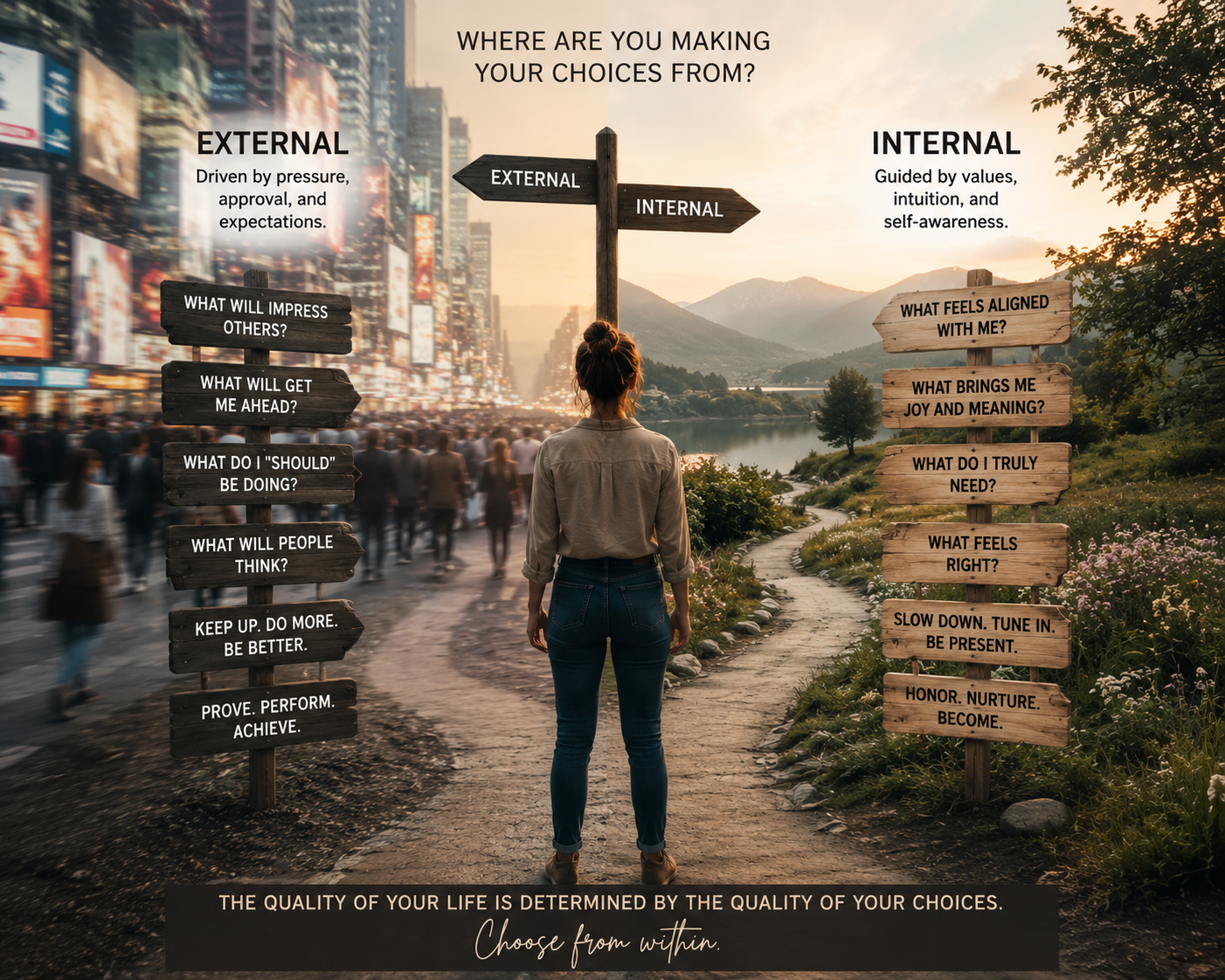
Burnout often begins the moment we start building a life around expectations instead of alignment.
Because my job was not the real problem.
My address was not the real problem.
My relationship was not the real problem.
The deeper issue was that I had never learned how to care for myself consistently.
I had only two modes:
high performance and forced recovery.
Achievement and collapse.
Push and crash.
Over-functioning followed by burnout.
I did not know how to regulate my nervous system.
I did not know how to shift intentionally from effort into recovery.
I did not know how to nourish myself mind, body, heart, and spirit in sustainable ways day after day.
When I returned from a one-year unpaid sabbatical, I knew something fundamental had to change.
And then the pandemic arrived.
Looking back now, I think that period became a kind of forced collective recovery for many people.
For the first time in years, people slowed down.
There was more sleep.
More home-cooked meals.
More walks.
More time with family.
More time to think.
More time to simply exist outside the relentless machinery of productivity.
Some people realized they never wanted to commute every day again.
Others rediscovered hobbies, creativity, movement, and rest.
Some realized they would gladly earn less money if it meant actually enjoying their lives.
Imagine that.
As I mentioned in a previous blog, it was during the pandemic that I returned to school to become a certified health and life coach. More importantly, it was during this period that I began intentionally building what I now think of as my daily recovery toolbox.
Not emergency recovery.
Daily recovery.
Hydration.
Sleep.
Movement.
Mindfulness.
Boundaries.
Joy.
Rest.
Time in nature.
Protecting my energy from the people, environments, and patterns that consistently depleted it.
When many workplaces resumed normal operations, I noticed something interesting. Initially, there seemed to be a collective desire to preserve some of the healthier rhythms people had discovered during the pandemic: daily walks, exercise, slower mornings, family dinners, more sleep.
But within months, many people had returned to grinding just as hard — if not harder — than before.
The old conditioning returned quickly.
The pressure.
The urgency.
The constant performing.
But something different happened on my own team.
I began sharing what I was learning about sustainable wellbeing and nervous system regulation. Small things. Practical things. Drinking more water. Taking walking breaks. Paying attention to energy instead of simply productivity.
One by one, my teammates began reporting positive changes.
One person told me the only thing they changed was increasing their water intake — and it significantly improved how they felt each day.
That fascinated me.
Because it reminded me that transformation is often far less dramatic than we imagine. Sometimes recovery begins with very small acts of self-respect repeated consistently over time.
Since then, I have learned to live differently.
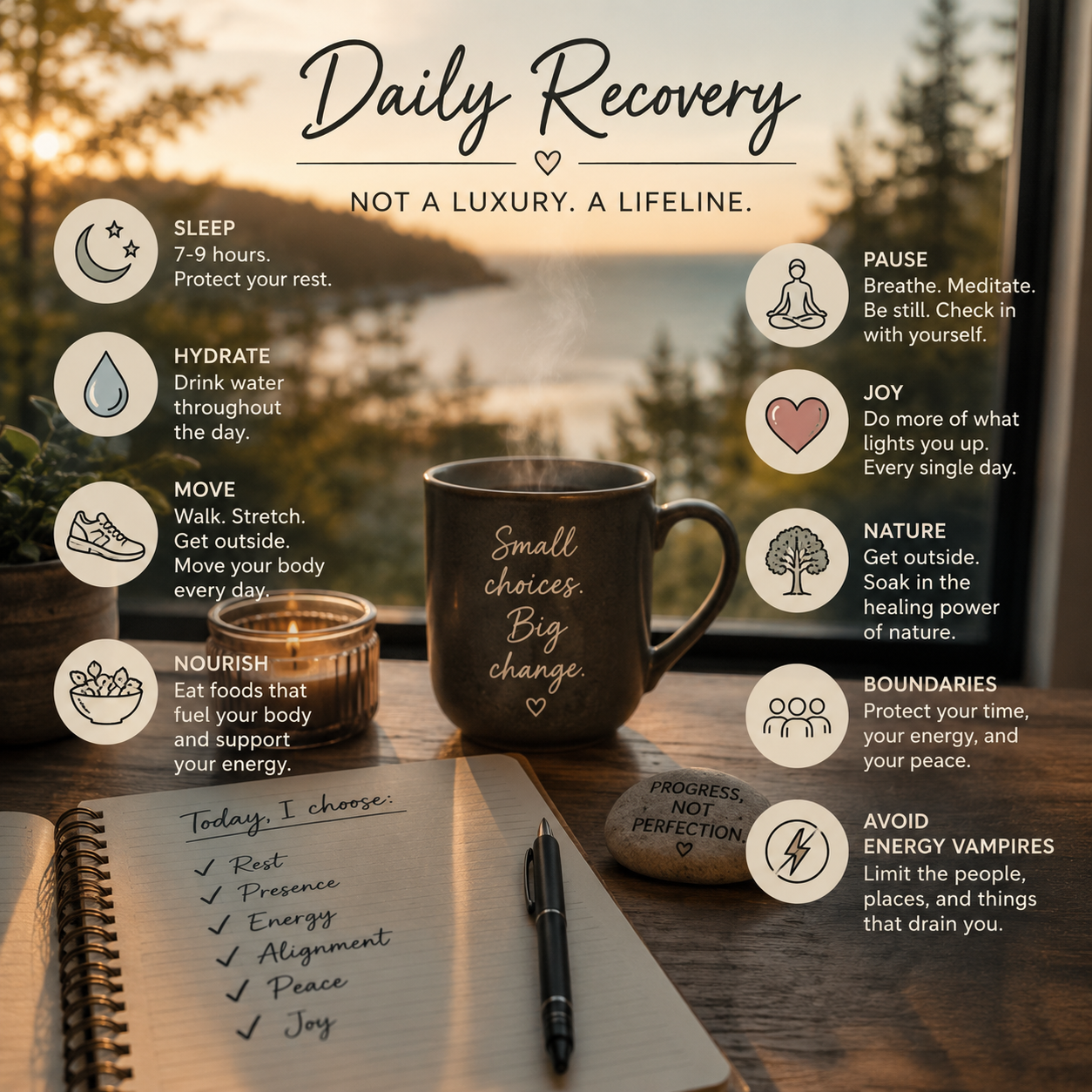
Recovery is not something we should have to earn after collapse — it is something we deserve every single day.
I sleep seven to nine hours a night.
I drink half my body weight in ounces of water.
I track my steps.
I pay attention to how food affects my body.
I spend time in nature.
I protect my peace.
I avoid energy vampires.
I lean intentionally toward joy.
Every single day.
Over time, these practices stopped feeling like “healthy habits.”
They became identity.
They became non-negotiables.
Today, I experience more energy than I ever thought possible. I feel more grounded, more peaceful, and more emotionally resilient than I did during most of my career. Stress still exists — because stress is part of life — but now I have the tools to navigate it without abandoning myself in the process.
And perhaps most importantly, I no longer believe burnout is something we should normalize as the cost of ambition.
If you feel exhausted, depleted, disconnected from yourself, or trapped in cycles of over-functioning and collapse, there is another way to live.
Healing is possible.
Recovery is possible.
A more sustainable life is possible.
If this resonates with you, I invite you to schedule a free one-hour consultation with me through Coaching With Dani. Together, we can explore what may be draining your energy and begin building a life that supports your wellbeing instead of consuming it.
— Dani Keating
Health & Life Coach
Coaching With Dani