
When Grift Becomes Culture
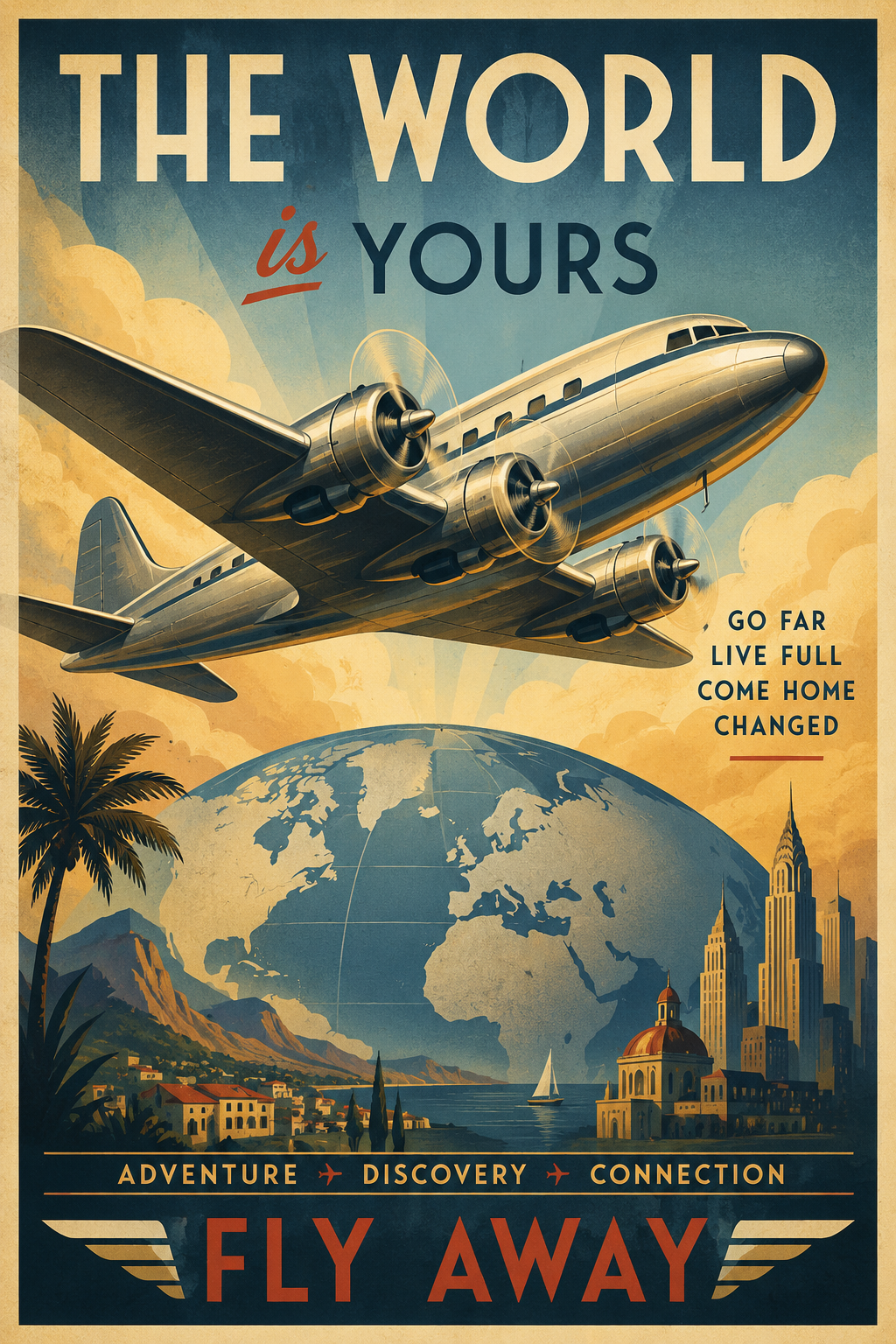
This morning I woke to discover that someone had fraudulently redeemed nearly 150,000 of my Alaska Airlines points.
One hundred and fifty thousand points.
Future flights.
Future adventures.
Future nights beneath foreign skies.
Future mornings waking up somewhere on the other side of the pond.
Gone with the click of a button by someone I will almost certainly never meet.
And while I know, intellectually, that it is “just points,” the emotional experience landed somewhere much deeper than inconvenience. It felt violating. Personal. Sad. A tiny fracture in my trust in humanity.
As I sat there this morning changing passwords, adding multi-factor identification, and working through customer service channels, I realized that what hurt most wasn’t even the theft itself.
It was the feeling that we are living through a cultural moment where grift has become normalized.
Where dishonesty has become entertainment.
Where exploitation is rewarded.
Where people increasingly seem willing to step over one another for money, status, clicks, influence, advantage, or temporary gain.
The truth is, we are living through an affordability crisis unlike anything many Americans have experienced in decades. Housing, healthcare, groceries, education, insurance, retirement—everything feels heavier and more expensive. People are exhausted. Many are scared. Many are struggling quietly behind curated social media lives and brave public faces.
And under that pressure, something dangerous can happen.
Scarcity begins to erode ethics.
When people stop believing there is enough, they begin justifying behavior they once would have found unacceptable. A culture built upon endless consumption and comparison slowly teaches people that what matters most is winning, accumulating, consuming, extracting.
More.
Faster.
Bigger.
Mine.
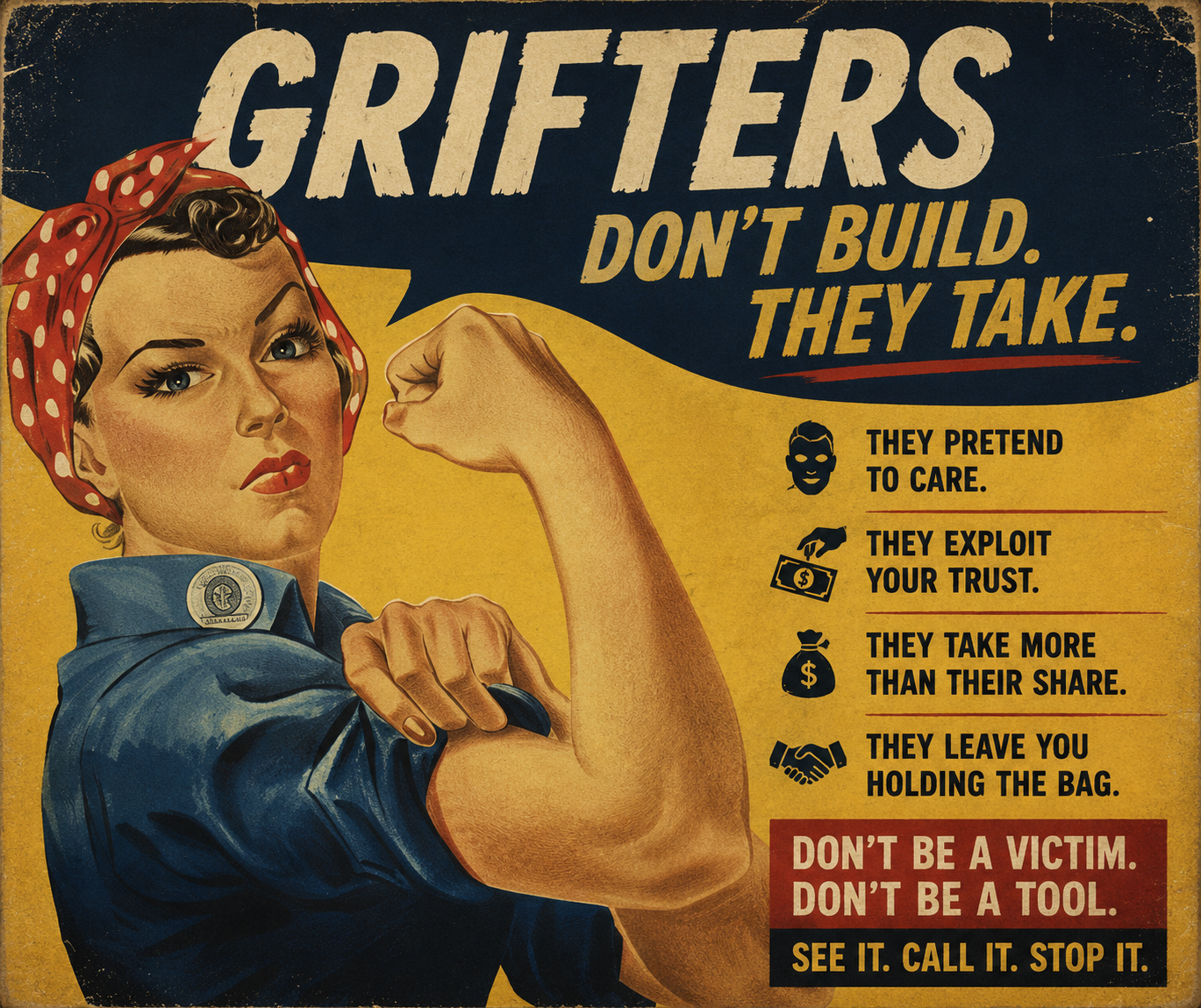
We see it everywhere now. Corporate greed masquerading as innovation. Billionaires hoarding wealth while working families drown beneath inflation. Algorithms rewarding outrage over wisdom. Politicians selling fear because fear is profitable. Entire industries designed to keep people distracted, indebted, emotionally dysregulated, and chronically dissatisfied.
And eventually, that energy trickles down into ordinary life.
Into scams.
Into fraud.
Into deception.
Into everyday interactions where people increasingly treat one another transactionally instead of relationally.
Yesterday, I wrote about The Price of Enough and the emotional toll of constantly chasing more in a culture that profits from our dissatisfaction. I wrote about the exhaustion so many people feel trying to keep pace with systems that seem designed to ensure we never quite arrive.
This morning’s experience felt like a painful continuation of that same truth.
Because when a society loses its moral center, theft becomes more than criminal behavior. It becomes a symptom.
A symptom of disconnection.
A symptom of hopelessness.
A symptom of spiritual malnourishment.
And yet...
I refuse to believe grift is humanity’s truest nature.
Not after sitting around campfires with others in recovery telling the truth about their lives.
Not after strangers helped me across Spain while walking the Camino de Santiago.
Not after decades spent serving beside good-hearted people in difficult environments.
Not after witnessing communities come together during loss, illness, storms, grief, and uncertainty.
The grifters are loud right now.
But they are not the majority.
There are still people choosing honesty when deceit would be easier.
People choosing simplicity over status.
People choosing integrity over performance.
People choosing enough over endless accumulation.
I think that may be one of the quiet revolutions of our time.
To live ethically in a culture addicted to extraction.
To remain soft in a world rewarding hardness.
To choose community in a society organized around individualism.
To say: “I do not need to exploit others to build a meaningful life.”
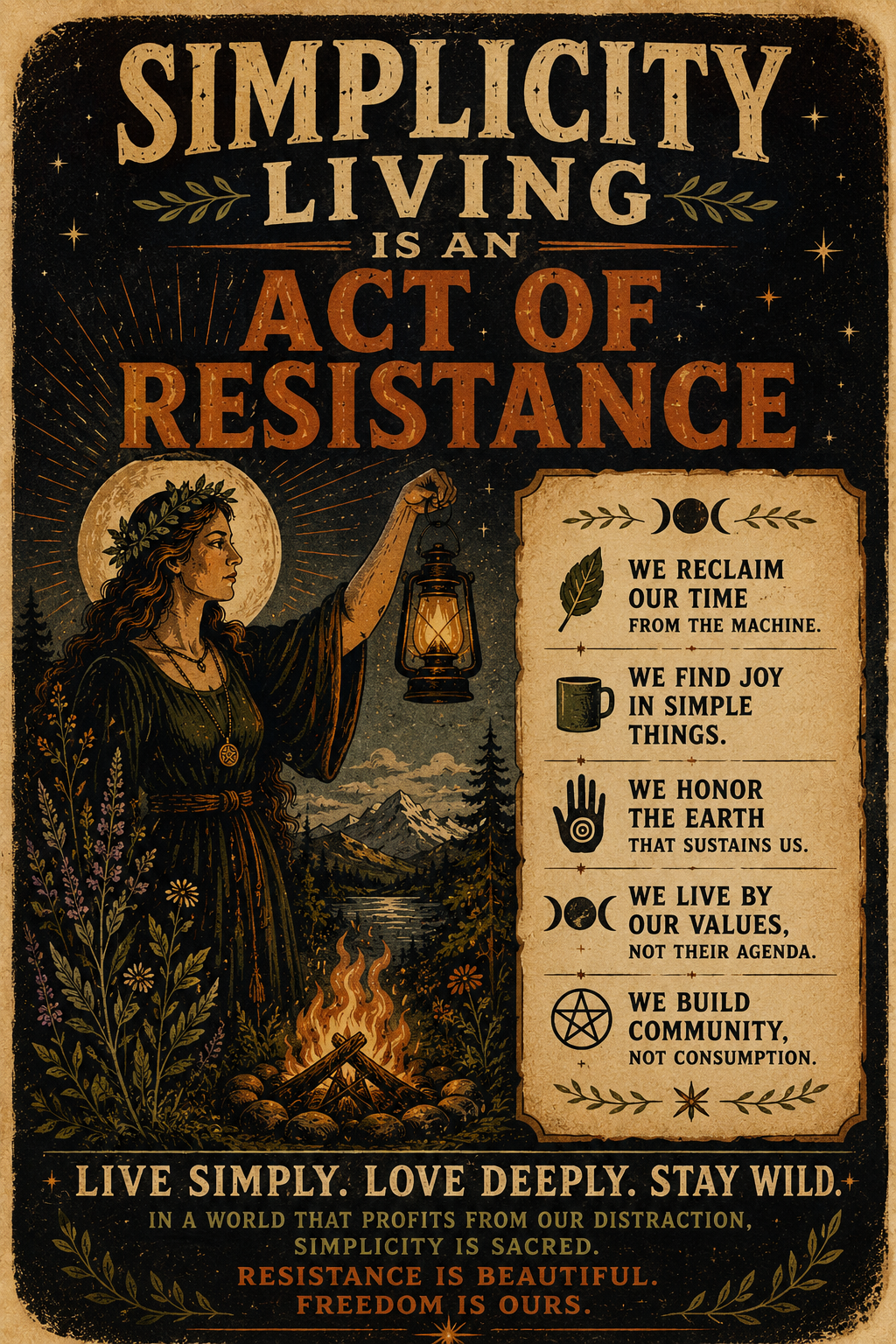
Maybe simplicity living is not just an aesthetic choice after all.
Maybe it is an act of resistance.
Resistance against systems designed to keep us fearful, consuming, comparing, and disconnected from ourselves and one another.
Maybe the path forward is not found in accumulating more, but in remembering what actually matters:
Safety.
Belonging.
Purpose.
Integrity.
Rest.
Nature.
Community.
Enoughness.
So yes, someone stole my airline points.
But I refuse to let them steal my belief in humanity too.
— Dani Keating