
Nourishing the Body from Within
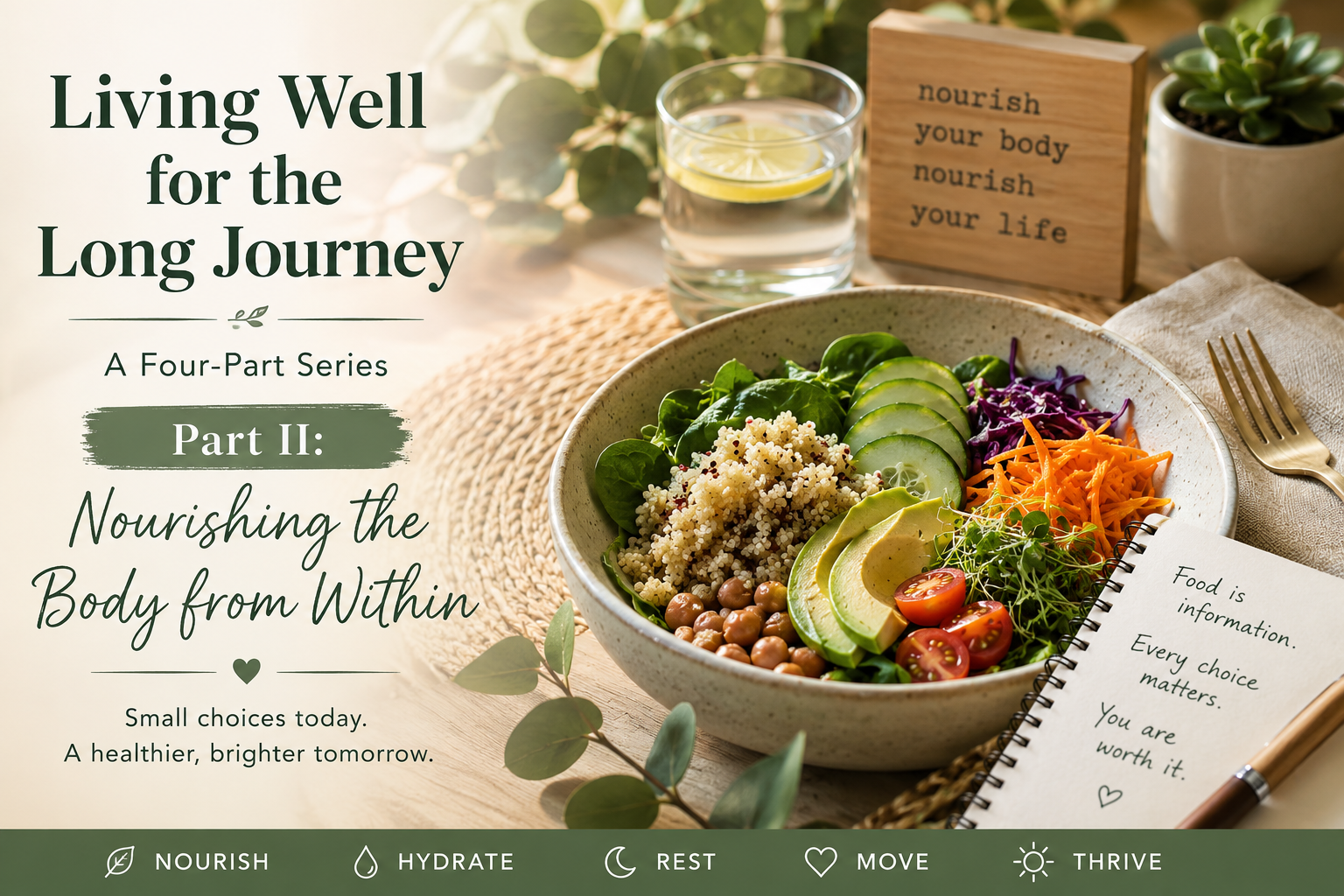
How many times growing up did you hear, "You are what you eat?"
Trite, but true.
What and how we eat profoundly affects our health span and quality of life.
When we consider our diets, we have to look at more than carbohydrates, fats, and proteins. We also have to examine our digestive health, explore possible causes of inflammation, and pay attention to how we actually feel each day.
Later this week I will be meeting with Dr. Cynthia Durakis in her capacity as a Certified Functional and Nutritional Medicine Practitioner (CFNMP). While this won't be my first time working with a functional medicine provider, I feel a check-in is long overdue.
I first began exploring functional medicine in 2012 when I was experiencing symptoms of chronic fatigue. That investment in my health changed the trajectory of my life for the better. I discovered several underlying health concerns that were only beginning to manifest. It took nearly a year of intentionally changing my diet, supporting my body with targeted nutritional supplements under professional guidance, and creating healthier daily habits before I truly felt like myself again. I've been a proponent of this approach ever since.
What Is Functional Medicine?
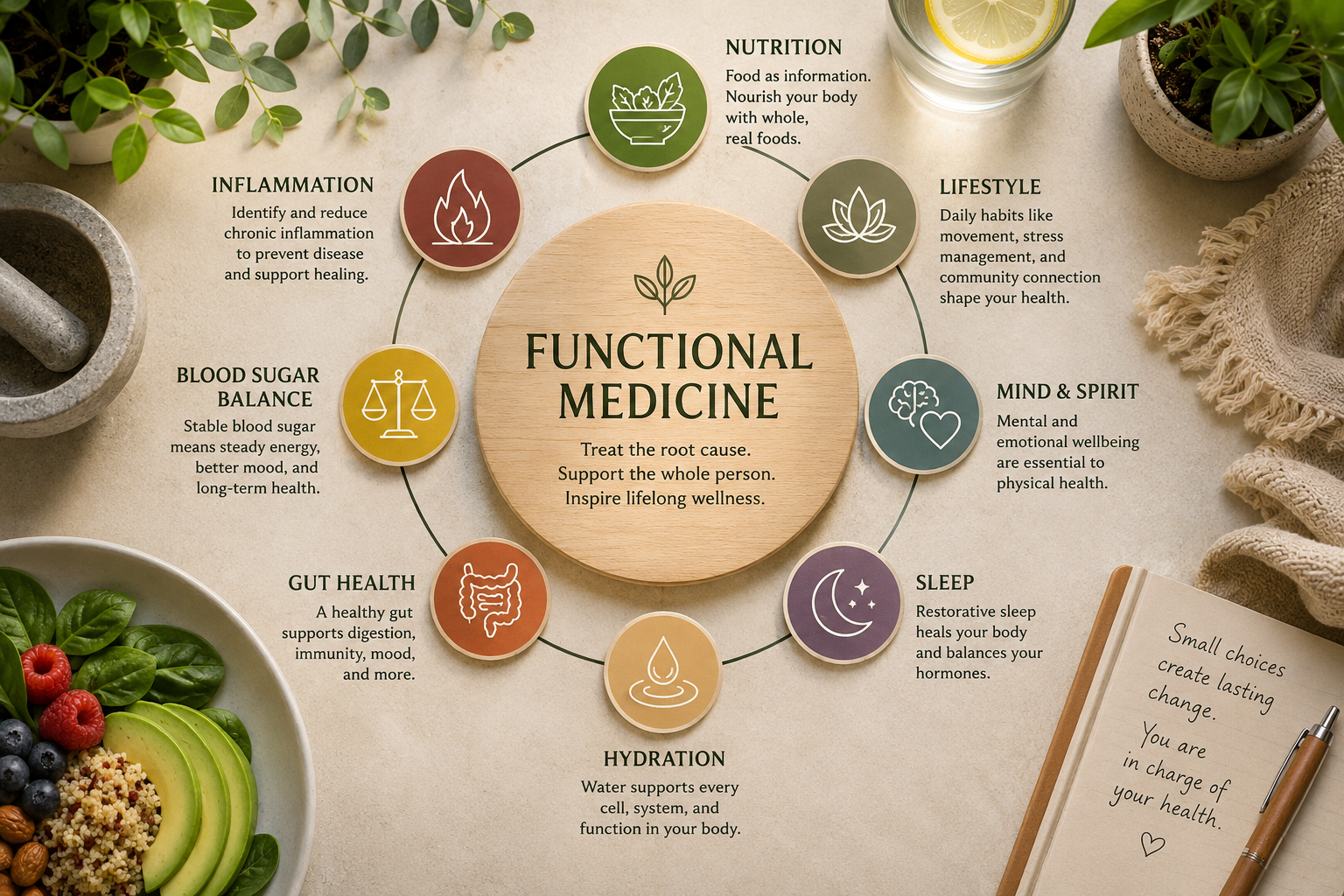
Functional medicine is an approach that seeks to identify and address the underlying factors contributing to illness rather than focusing solely on managing symptoms. It considers how genetics, nutrition, lifestyle, stress, sleep, environmental exposures, and other influences work together to shape our overall health.
In other words, it takes a whole-person approach. Rather than asking only, "What medication matches this diagnosis?" it also asks, "Why is this happening?" It encourages us to become active participants in our own wellbeing by building sustainable habits that support long-term health.
While every person's health journey is unique, there are several common areas that functional medicine encourages us to explore. None of them exists in isolation. Each influences the others, reminding us that our bodies function as one beautifully interconnected system.
Nutrition as Information
Every meal sends information to the body. The foods we choose can support healthy cells, balanced hormones, stable energy, and efficient immune function—or they can contribute to inflammation and imbalance over time. Nutrition isn't about perfection; it's about giving our bodies the resources they need to function well.
Reducing Inflammation
Inflammation is a normal and necessary part of healing, but chronic, persistent inflammation has been associated with many long-term health conditions. While nutrition is only one piece of the puzzle, eating a nutrient-dense diet, managing stress, exercising regularly, and getting restorative sleep can all help support a healthy inflammatory response.
Whole Foods
Whole foods provide vitamins, minerals, fiber, antioxidants, and healthy fats in combinations that work together naturally. The closer our food is to its original form, the more likely it is to provide the nourishment our bodies were designed to use.
Blood Sugar Balance
Keeping blood sugar relatively steady throughout the day helps support consistent energy, mood, focus, and metabolic health. Pairing protein, healthy fats, and fiber with carbohydrates—and avoiding long stretches without eating—can reduce dramatic spikes and crashes.
Gut Health
Our digestive system does far more than process food. It plays an important role in nutrient absorption, immune function, and even communication with the brain through the gut-brain axis. Supporting a healthy gut with fiber-rich foods, adequate hydration, and a varied diet may benefit many aspects of overall wellbeing.
Sleep
Nutrition and sleep are deeply connected. The foods we eat influence our energy, hormones, and blood sugar, while quality sleep affects hunger cues, cravings, metabolism, and our ability to make healthy choices. Both deserve equal attention when pursuing long-term wellness.
Hydration
Water supports nearly every system in the body, from circulation and digestion to temperature regulation and joint health. Even mild dehydration can leave us feeling tired or mentally foggy. One of the simplest ways to care for ourselves is to consistently drink enough water throughout the day.
Prevention Rather Than Reaction
One of the aspects I appreciate most about functional medicine is its emphasis on prevention. Rather than waiting for disease to develop, it encourages us to pay attention to early signals, make thoughtful lifestyle adjustments, and invest in habits that support health over the long term.
Longevity isn't created through one perfect diet.
It's built meal by meal.
Choice by choice.
Day by day.
Practice: One Nourishing Choice

Ahead of my upcoming visit with Dr. Durakis, I've re-subscribed to MyFitnessPal and am once again tracking what I'm eating, drinking, and how much I'm exercising. What I've learned through the years is that having a system of accountability supports my commitment and consistency to whatever intention I set. Having an accountability partner is one of the reasons life coaching can be so effective.
This week, I invite you to choose just one nourishing habit to improve upon.
Perhaps you will:
Add one serving of vegetables each day. The more color on your plate, the greater the variety of nutrients you're likely to enjoy.
Drink more water. A common guideline is to aim for approximately half your body weight in ounces of water each day, while adjusting for factors like exercise, heat, caffeine, and alcohol.
Cook one meal at home.
Eat more slowly. Sometimes called mindful or sensual eating, slowing down and chewing thoroughly not only supports digestion but often allows us to savor our food more fully.
Schedule a wellness appointment. If you're in Del Ray or the surrounding area, I highly encourage you to visit us at the Willow Wellness Center and explore the many services we offer.
Carrying the Light Forward
The older I get, the less interested I become in quick fixes and perfect diets. I'm far more interested in creating a way of eating—and a way of living—that I can sustain for the rest of my life.
That's what longevity really asks of us. Not perfection, but consistency. Not restriction, but nourishment. Not dramatic overhauls, but thousands of small choices that quietly accumulate into better health.
Every meal is an opportunity to nourish not only the body we have today, but the one we hope to enjoy decades from now.