
Nature is the Original Teacher
Looking to the Earth to Remember How to Live
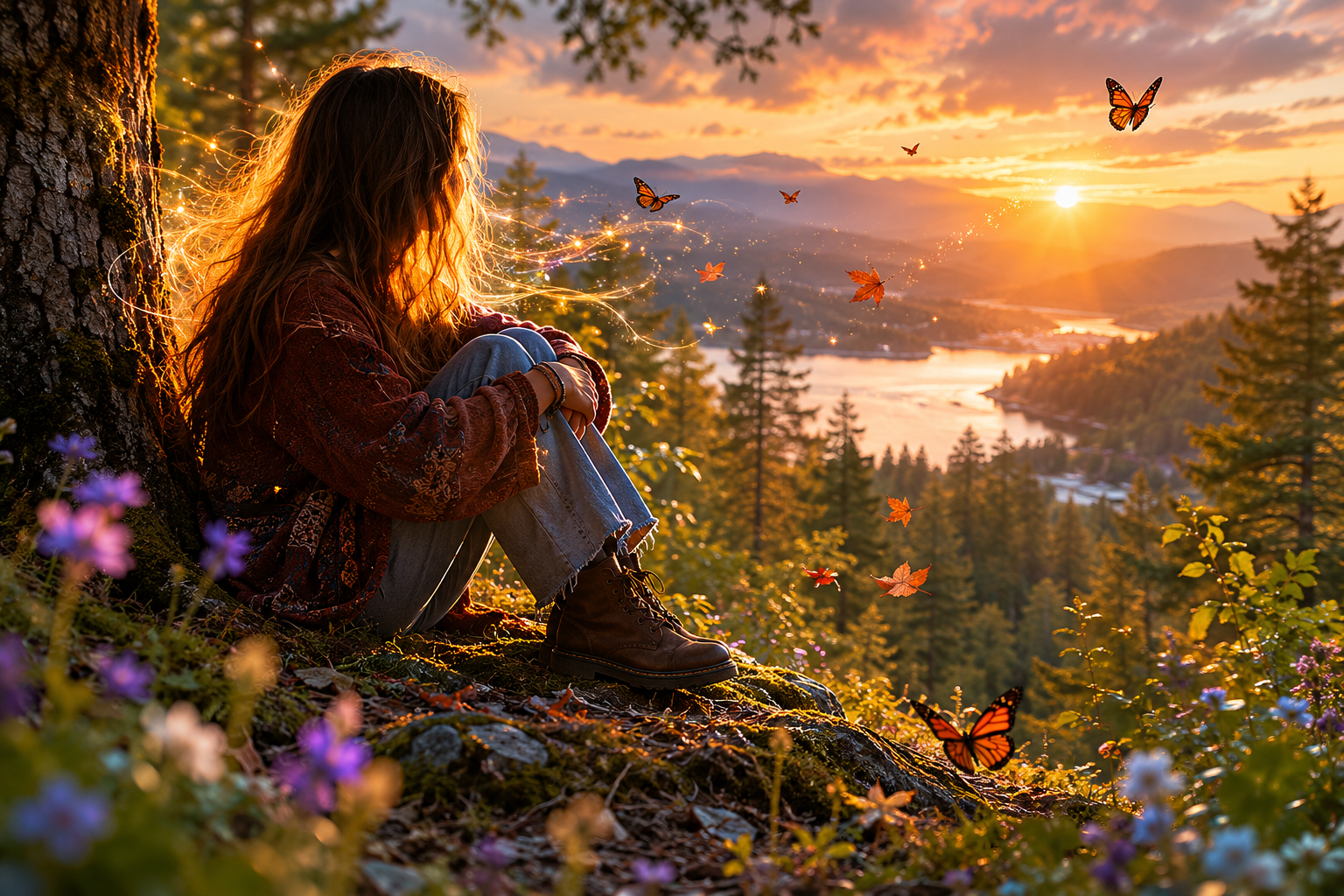
At fifteen nature was beginning to teach me how to live.
When I was fifteen years old, I became a vegetarian.
At the time, I could not have fully explained why. My mother had been diagnosed with cancer, and illness has a way of introducing difficult questions long before we are prepared to answer them. At the same time, I loved animals with a tenderness that felt impossible to reconcile with eating them. To hold affection in one hand and consumption in the other created a discomfort I could no longer ignore.
Looking back now, I think something deeper was unfolding.
Long before I had language for values, alignment, ethics, or consciousness, I was beginning to understand that the way we move through the world matters. Our choices are not isolated acts but expressions of who we are becoming. Life is not simply happening to us—we are participating in its unfolding.
A few years later, I read Diet for a New America by John Robbins, and something in me settled into recognition.
The book did not hand me answers, nor do I think any book can. Instead, it gave shape to questions I had already begun carrying quietly inside myself. It invited me to examine assumptions I had inherited without reflection and to consider the hidden systems beneath everyday life—food, consumption, suffering, health, environment, economics, culture.
More than anything, it introduced a question that has stayed with me ever since: Is the way we are living actually making us well?
Once that question takes root, it becomes difficult to stop asking.
Not long after, I encountered another book—Staying Healthy with the Seasons by Elson M. Haas—and where the first had shown me what I wished to move away from, this one offered a vision of what I wished to move toward.
If the first book challenged the architecture of modern living, the second invited me into an entirely different relationship with life itself.
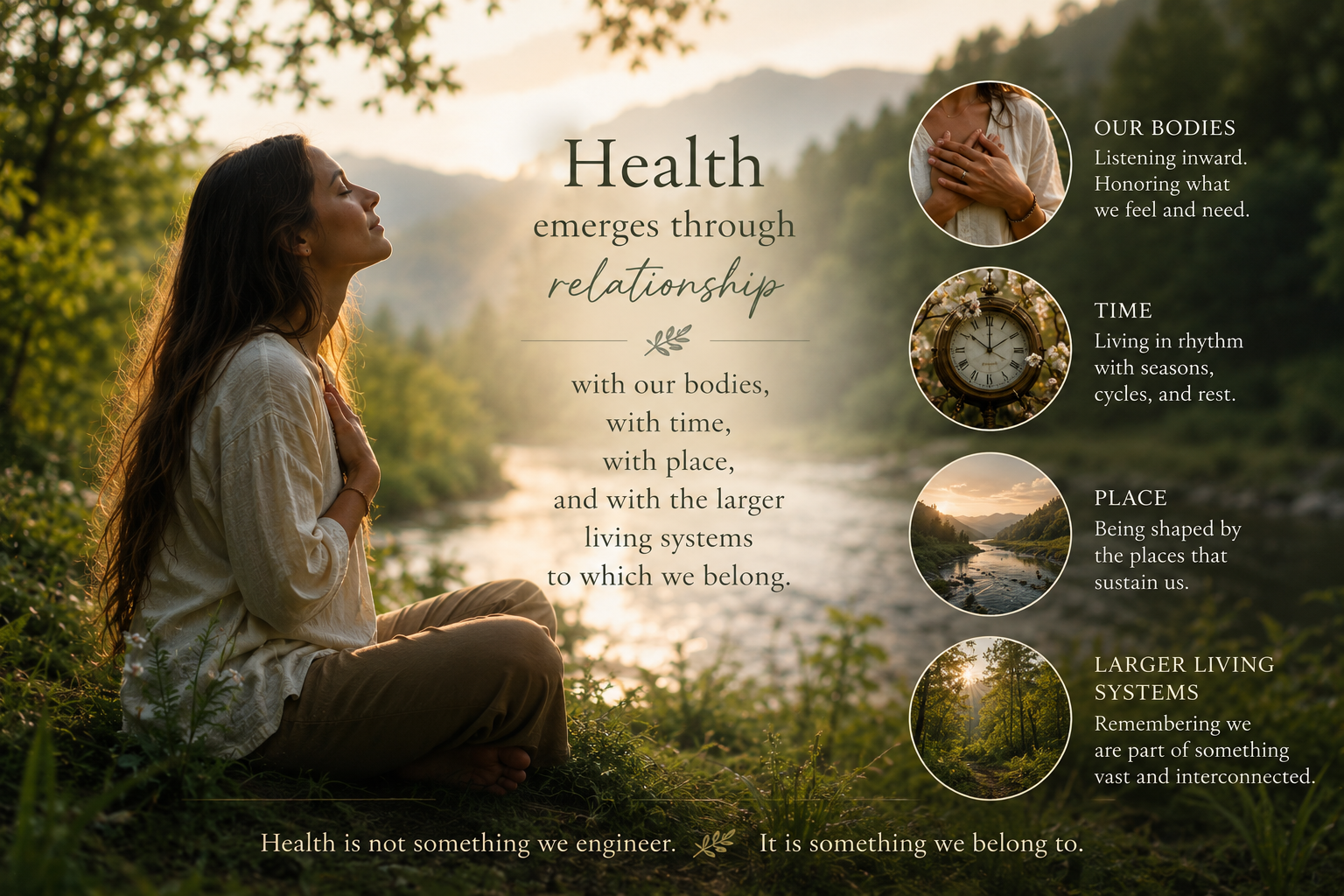
Health is not something to conquer or optimize—it is a lifelong relationship with our bodies, our seasons, our place in the world, and the living Earth that sustains us.
Its premise was simple, but quietly revolutionary: health is not merely the absence of disease, nor something to be engineered through discipline, optimization, or endless self-improvement. Health emerges through relationship—with our bodies, with time, with place, and with the larger living systems to which we belong.
The book drew together Western and Eastern perspectives and proposed that nature’s rhythms shape not only the external world but our internal one as well—our energy, appetite, mood, activity, and rest.
At the time, I could not have explained why this felt so profound. I only knew that something in me recognized it.
The possibility that winter might invite restoration rather than relentless productivity. That spring could call for renewal instead of urgency. That summer might encourage expansion, vitality, and connection. That autumn could teach gratitude, simplification, and release.
These were not presented as metaphors but as observable patterns—ancient rhythms woven through the natural world and perhaps through us as well.
For the first time, I encountered a way of thinking that did not place human beings above nature or apart from it.
Instead, it invited me to understand that we belong to it.
That realization rearranged something fundamental inside me.
I began to wonder whether nature was more than scenery.
What if it was the original curriculum?
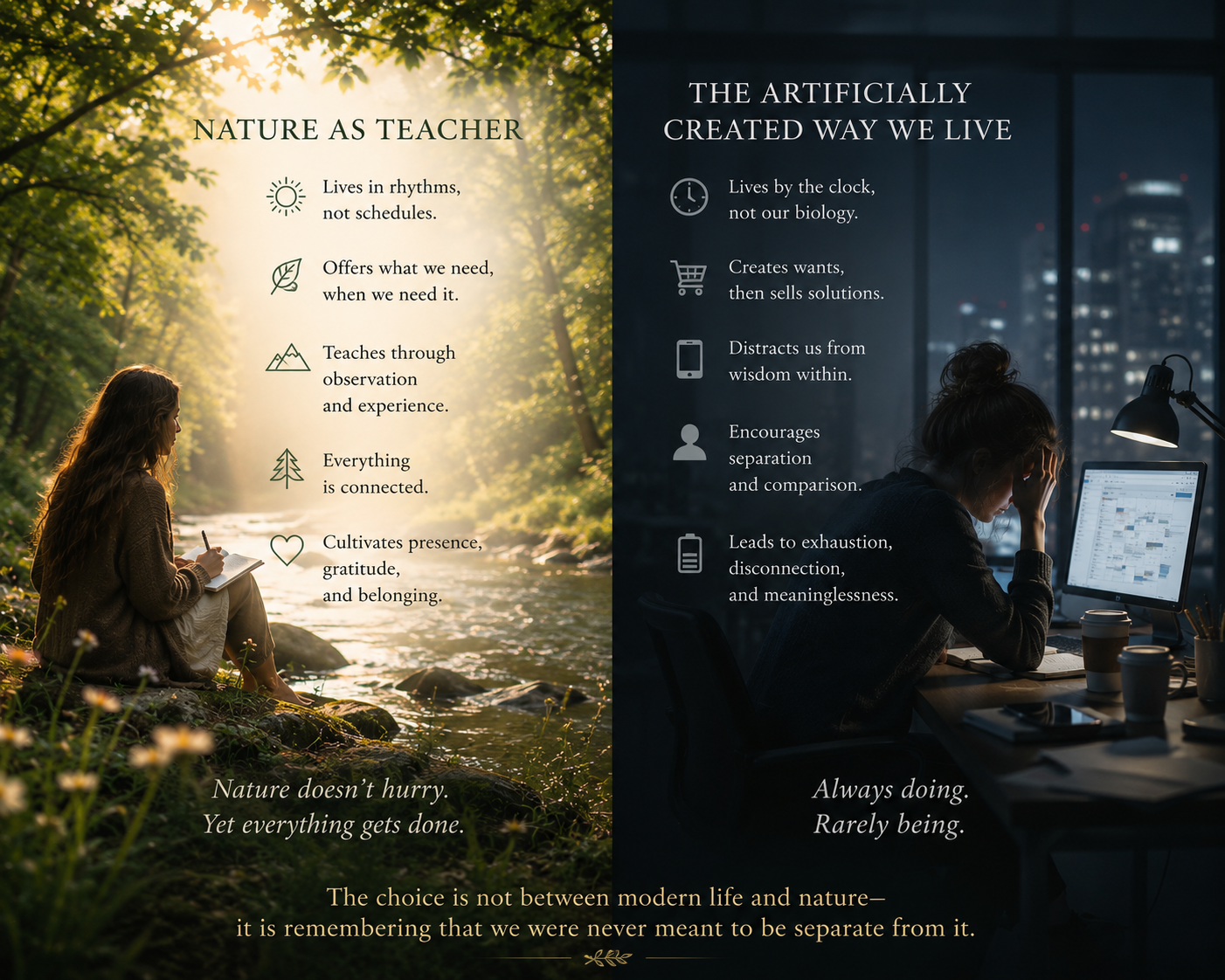
Nature teaches us to belong; modern life teaches us to perform. Healing begins when we remember the difference.
Long before laboratories, human beings learned through watching rivers, seasons, migration, sleep, weather, birth, aging, and death. We learned by observing which plants healed and which harmed. Science itself emerged not from separation from nature, but from paying careful attention to it.
The forest came before forestry.
The body came before medicine.
The stars came before astronomy.
Nature is not opposed to science.
Nature is its source.
And perhaps this is part of why modern life can feel so disorienting.
Many of us live under artificial light, eat food designed for shelf life rather than nourishment, organize our days according to productivity instead of energy, and outsource our attention to technologies that promise efficiency while quietly fragmenting our ability to be present.
We have become remarkably skilled at controlling environments while becoming increasingly unfamiliar with inhabiting them.
Meanwhile, outside our windows, life continues without instruction.
The trees still know when to rest.
Birds still migrate.
The tides still return.
The moon continues her work whether anyone notices or not.
Everything arrives in its season.
Everything participates.
Everything belongs.
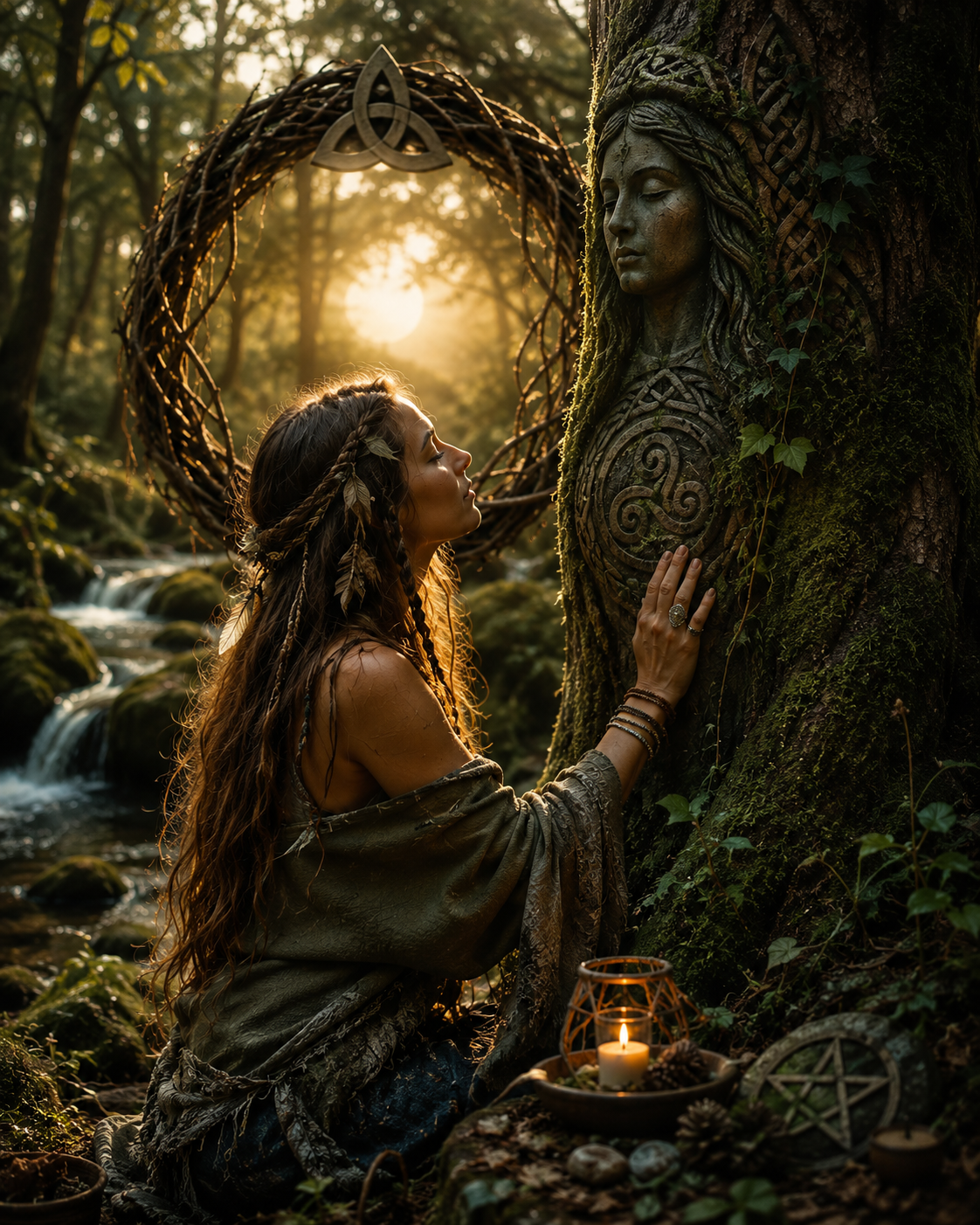
Nature Is the Original Teacher—and when I am quiet enough to listen, I remember that I was never separate from the sacred at all.
This understanding eventually led me through Taoism, Buddhism, and ultimately toward a spirituality rooted less in doctrine and more in relationship—with seasons, with place, with mystery, and with the understanding that perhaps the sacred was never somewhere else.
Perhaps it was always here.
Today I believe in higher powers vast enough to exist in rainfall and rivers, moss and migration, grief and joy, stars and silence.
Not separate from the world.
Expressed through it.
I know not everyone reading this shares that belief, and that is okay. This is not an argument against anyone’s faith. It is simply an invitation.
Look outside.
Sit beneath a tree.
Walk without headphones.
Watch what blooms and what lets go.
Notice how nothing in nature strives to become something other than itself.
Notice how nothing clings forever.
Notice how everything participates in the exchange of receiving and returning. Because in the end, none of us keeps anything except the imprint of how we lived.
One day we all return.
To soil.
To root.
To sky.
To become nourishment for something beautiful.
Until then, perhaps the work is not to transcend nature—
but to remember that we were never separate from it at all.
-Dani Keating
Health & Life Coach
Coaching with Dani